News Sep 28, 2026 • Nayda Cattin
You are looking at a training plan that runs months, a price tag that runs into five figures, and a headline that says artificial intelligence is coming for every job. Asking whether AI will replace pilots before you finish training is a reasonable question, and it deserves a straight answer.
Here is the straight answer as of today. Every U.S. airline flight is required by regulation to carry two pilots. The European regulator that studied one-pilot cockpits most seriously concluded in 2025 that it cannot yet show they are as safe as two, and pushed any decision toward the end of the decade. Automation already sits in the airplanes you will train in at Cirrus Aviation, and your instructors will teach you to manage it. What follows is the evidence behind each of those points, so you can decide with facts instead of fear.
The Rule in Force Today: Two Pilots on Every Airline Flight
Start with the regulation. Airlines in the United States operate under Part 121 of the federal aviation regulations, and 14 CFR 121.385 states that the minimum pilot crew is two pilots, one designated pilot in command and one second in command. An airline must follow that rule to hold its operating certificate, and changing it would take a formal rulemaking process with public comment.
Below the airlines, the pilot in command of any aircraft is the final authority for its operation under 14 CFR 91.3. Responsibility for a flight rests with a certificated human being, whether the airplane is a Skyhawk over Sarasota or a widebody over the Atlantic. That legal structure has not changed, and nothing proposed in the United States today removes it. Our Career Pilot Program is built to produce that person.
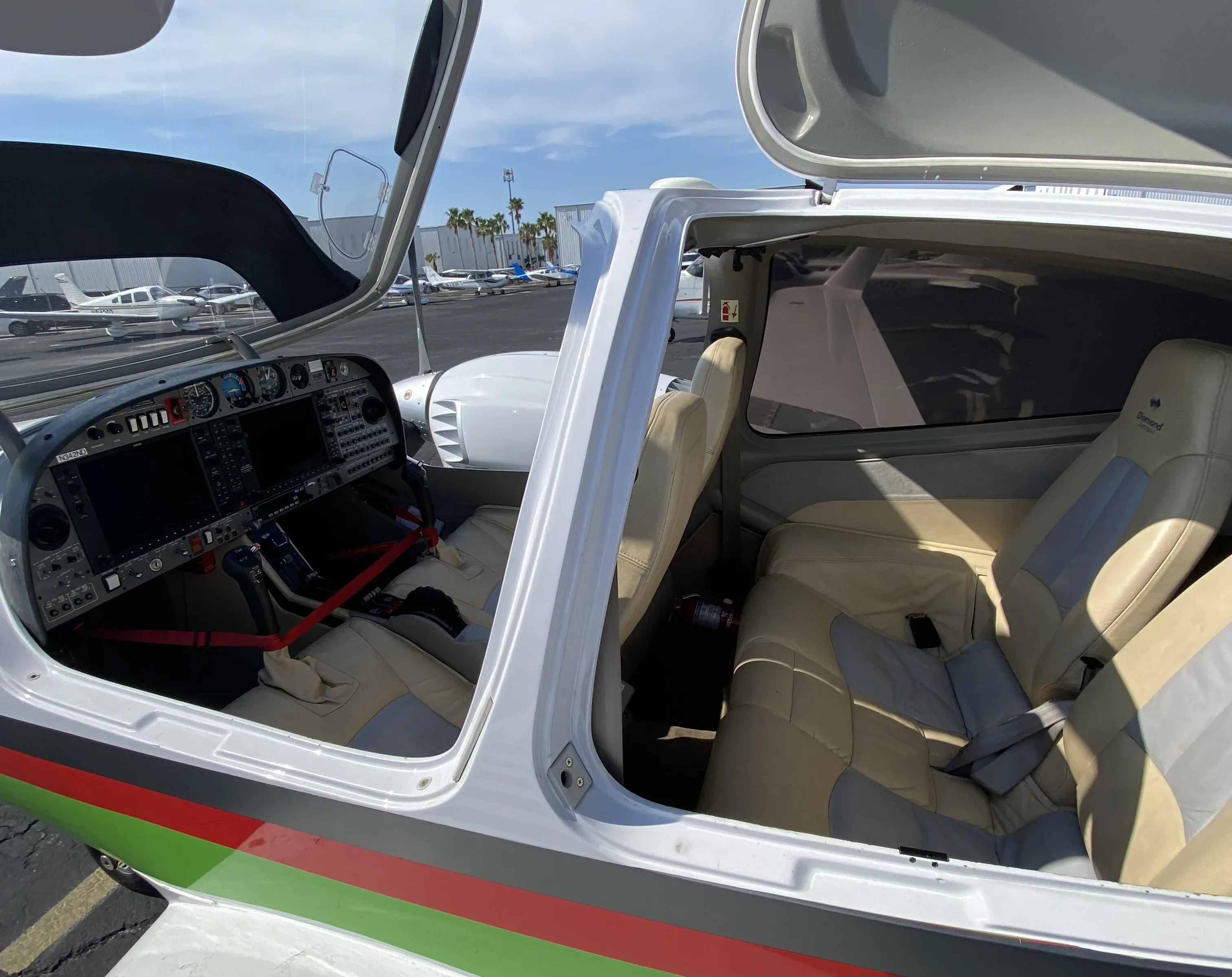
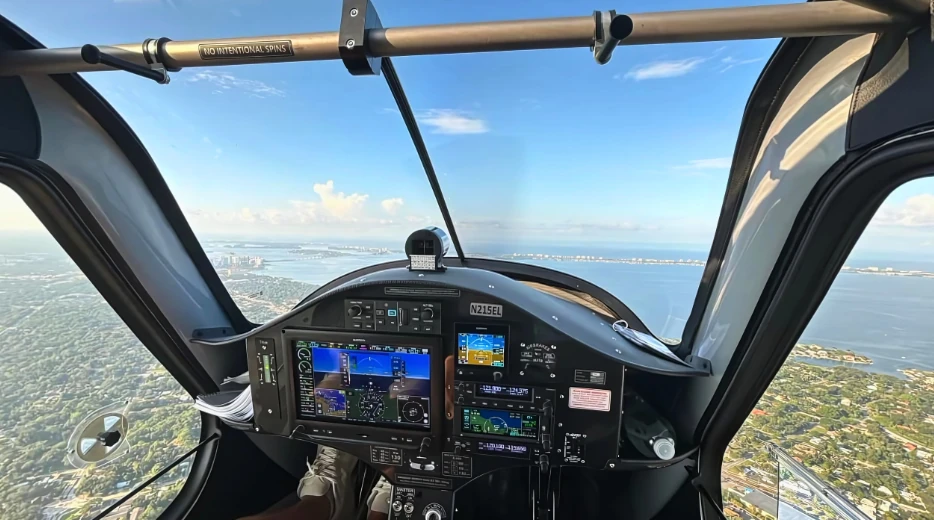
Modern panels like the DA42's put more automation in front of you, and the pilot in command still owns every decision.
What European Regulators Concluded After Studying One-Pilot Cockpits
The most serious effort to reduce cockpit crew came from Europe. The European Union Aviation Safety Agency (EASA) ran a research project on extended minimum crew operations and single-pilot operations, looking at whether one pilot could rest during cruise on long flights while the other flew alone, and eventually whether one pilot could fly an entire trip.
In 2025 the agency’s risk assessment reached a plain conclusion: with current cockpit technology, an equivalent level of safety between reduced-crew and two-pilot operations cannot be demonstrated. Pilot incapacitation, fatigue, workload, and the loss of a second set of eyes cross-checking every step were the sticking points. EASA paused the research and now expects no rulemaking decision before the end of the decade.
For a student pilot, the timing is the useful part. Even the most ambitious version of that program was about resting one of two pilots in cruise, not removing pilots from airplanes. A student who starts training this year will be a certificated commercial pilot long before any of those rules change, if they change at all. Our professional pilot career overview covers the certificates along that path.
Automation Is Already in the Cockpit, and You Learn to Manage It
Autopilots have flown airliners for decades. GPS navigation, flight directors, autothrottles, and envelope protection are all forms of automation that pilots manage every day. The job has already changed from hand-flying every minute to supervising systems, making decisions, and taking over when the situation leaves the script.
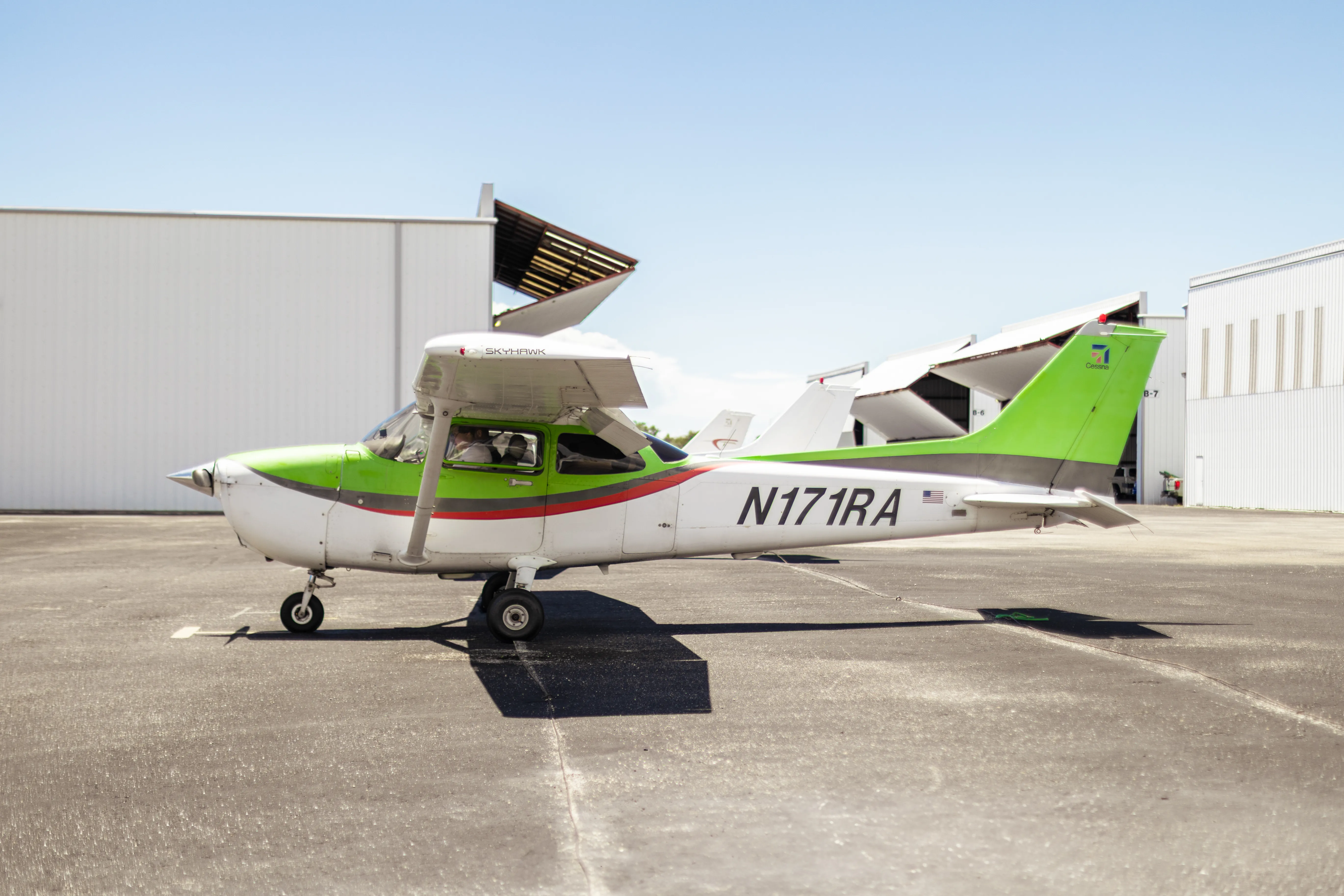
You will meet that reality in training. Select Cessna 172 Skyhawks in our fleet carry the Garmin G1000 glass cockpit, and our Pipistrel Alpha Trainer flies with a Garmin G3X touchscreen panel and a GFC 500 digital autopilot. Your instructor will let the autopilot hold altitude, then ask what you would do if an engine indication changed. Learning when to trust the system and when to click it off is a skill, and it is one airlines expect. See the aircraft on our fleet page.
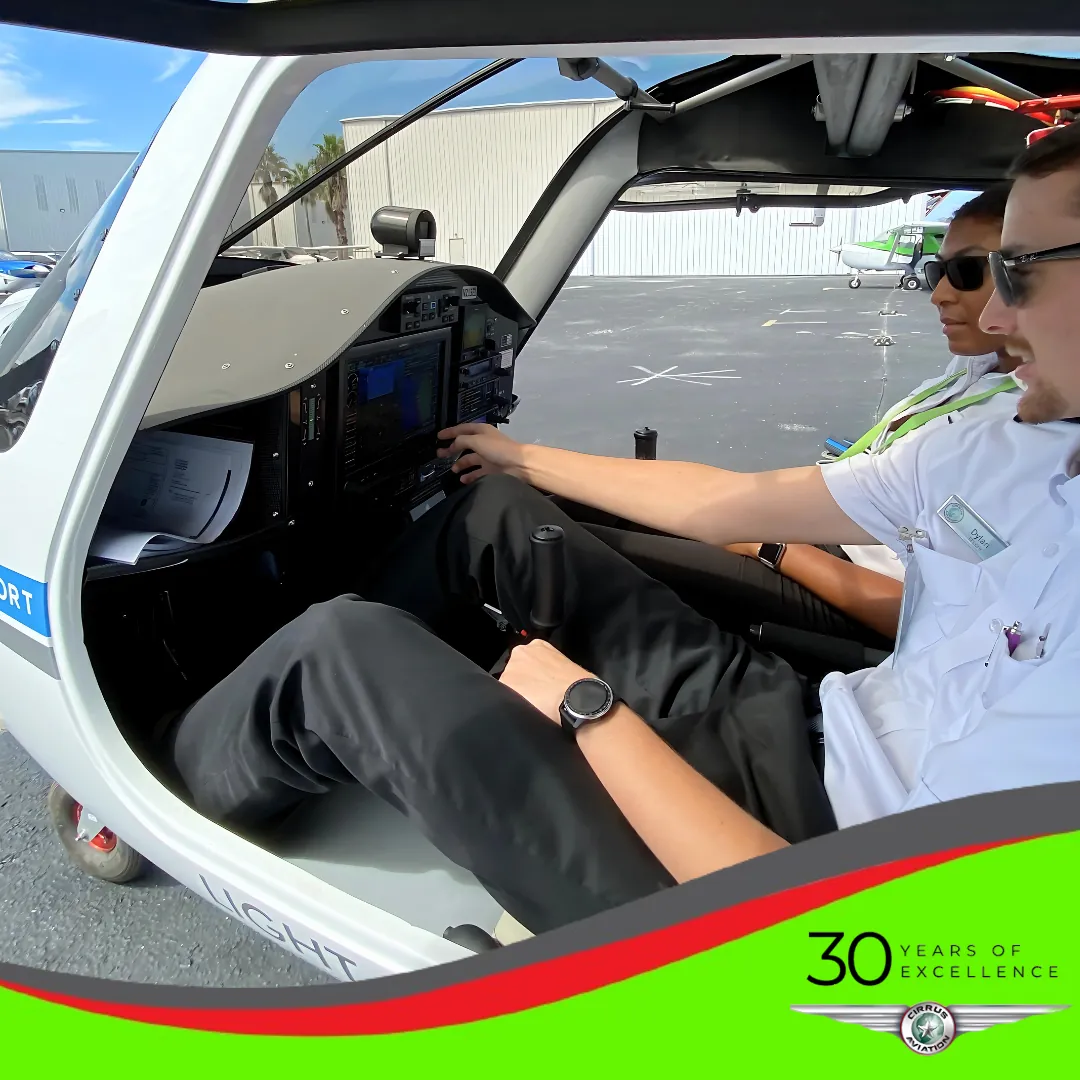
The Alpha Trainer's G3X panel and autopilot are tools you learn to supervise, not replacements for judgment.
What the Labor Numbers Say, With the Honest Qualifier
Numbers help. The U.S. Bureau of Labor Statistics projects employment of airline and commercial pilots to grow 7 percent from 2025 to 2035, faster than the average for all occupations, with about 16,400 openings per year on average, many of them replacing pilots who retire or leave the field. Median pay in May 2025 was $232,140 for airline pilots, copilots, and flight engineers and $123,220 for commercial pilots, per the BLS Occupational Outlook Handbook.
Those are national labor statistics, not a placement promise. Airline eligibility and airline hiring are separate milestones: finishing your certificates makes you eligible, and an airline’s own standards, interview, and timing decide the rest. What the figures do show is an industry planning for more pilots across the years your training would take. Our Commercial Pilot course is the certificate that opens the professional door.
How We Train Pilots for a Cockpit With More Automation
Automation makes judgment more valuable. A pilot who can only follow the magenta line is the pilot automation replaces first. So from your first lessons we teach aeronautical decision-making, the PAVE checklist for pilot, aircraft, environment, and external pressures, and personal minimums that you set before you fly. Our post on aviation safety standards at Cirrus Aviation explains those tools.
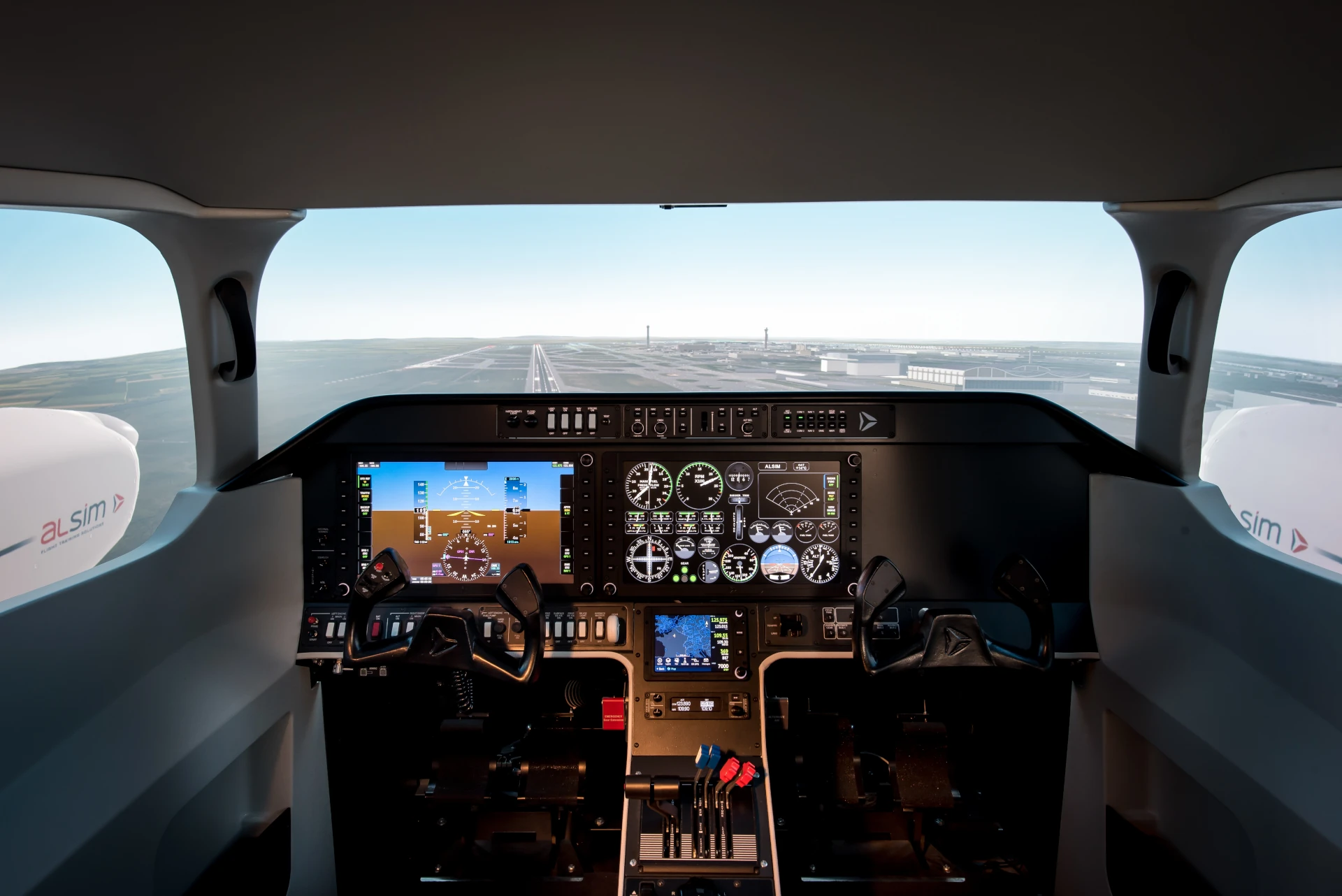
Our Alsim simulators are where that judgment gets stress-tested. We can fail the autopilot, freeze the GPS, or load a weather change and let you work the problem, then reset and run it again. That “Say It, Sim It, Fly It” approach is described on our flight simulator lab page, and it is exactly the kind of training that separates a systems manager from a passenger.
Progression in our Career Pilot Program is performance-based. You advance when you demonstrate the skill, and that is also how airlines evaluate. Sallie Mae aviation loans and 529 funds can help qualified students and programs plan for the investment, and our pilot financing page is where to start that conversation.
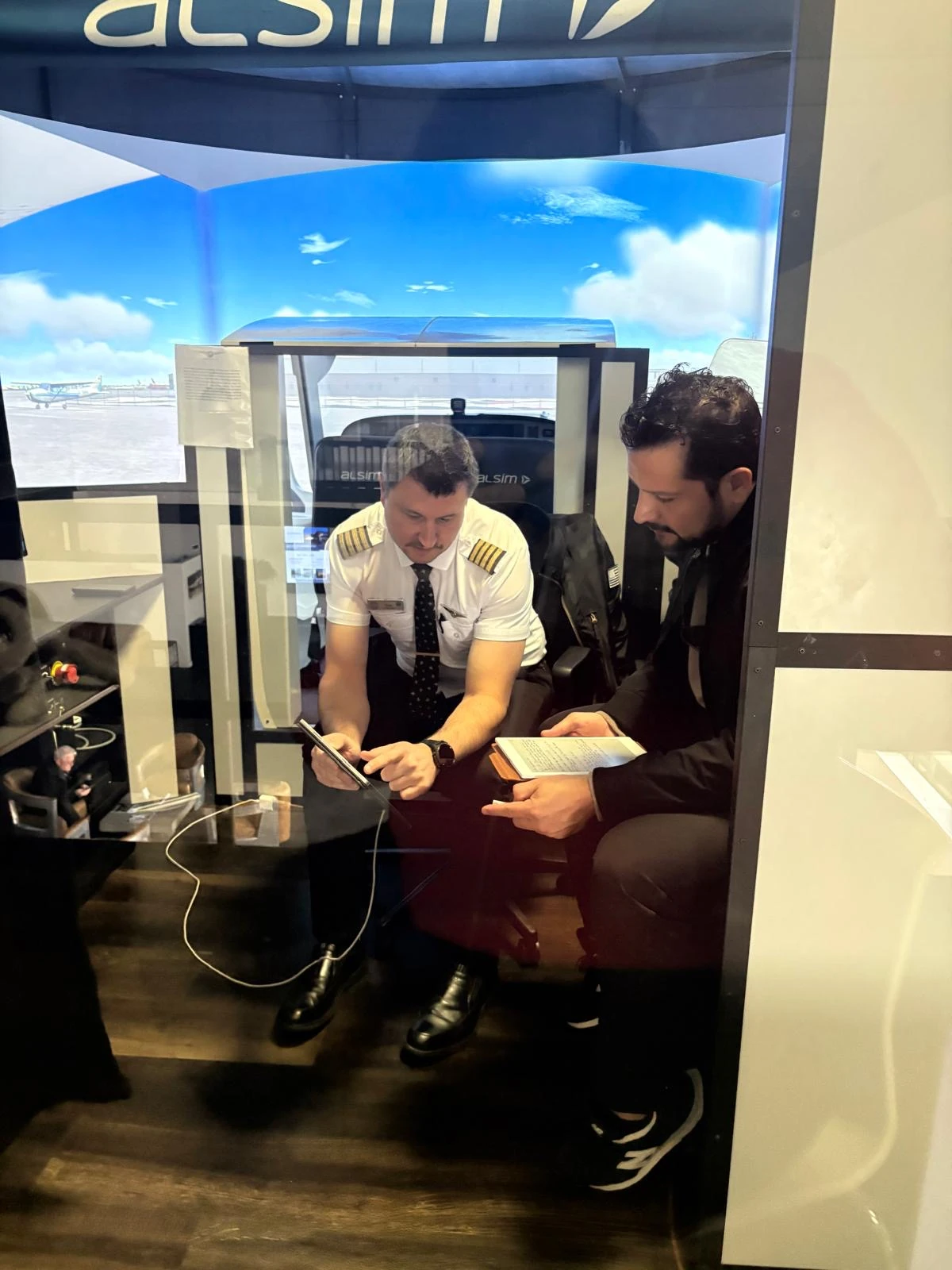
Simulator sessions let us remove the automation on purpose and watch how you handle the airplane.
FAQ
Will AI replace airline pilots in the next ten years?
Under the rule in force today, U.S. airline flights carry two pilots, and the European regulator that studied reduced crews concluded in 2025 that equivalent safety cannot currently be shown, with no decision expected before the end of the decade. Nobody can promise what cockpits look like decades from now, but the direction regulators have taken is clear.
Are any airlines already flying with one pilot?
No scheduled U.S. airline flight operates with fewer than two pilots, because 14 CFR 121.385 sets two as the minimum crew. Single-pilot flying exists in general aviation, charter, and some smaller operations, where it always has.
Is it still worth learning to fly in 2026?
Yes. For a career, the labor outlook is very positive and hiring depends on your performance and the airline’s standards rather than on a shortage headline. For personal flying, the question is only whether you want to fly, and a Discovery Flight answers that faster than any article.
Does automation make flight training easier?
It changes what you practice. You still hand-fly, still land in a crosswind, and still manage an engine failure, and you also learn to program, monitor, and override automated systems. Both skill sets are tested on your checkrides.
What if the rules change after I finish training?
A certificated pilot with instrument, commercial, and instructor qualifications is the person any future cockpit still needs. Regulators have signaled that more automation requires better-trained pilots, not fewer of them, and our Career Pilot Program builds that depth from the start.
Can a Discovery Flight help me decide?
Yes. You sit in our simulator, then fly with an instructor, and the conversation afterward covers goals, timeline, and cost with real information instead of headlines.
Test the Idea Before You Decide
The question behind “will AI replace pilots” is usually a bigger one: is this worth my time and money? The regulation, the research, and the labor data all point the same way today, and the rest of the answer is personal. Sit in the airplane, talk to an instructor, and find out whether flying is something you want to do for the next thirty years.
Book your Discovery Flight at Cirrus Aviation and start with a real cockpit instead of a headline.