News Jan 20, 2026 • Nayda Cattin
When you fly an airplane, safety is always the most important thing. At Cirrus Aviation in Sarasota, Florida, keeping students and instructors safe is part of everything we do; from your very first lesson to your final check ride.
But what does “safety” really mean in flight training? And how does Cirrus Aviation go above and beyond to protect every student pilot?
Let’s take a closer look.
What Are Aviation Safety Standards?
Aviation safety standards are rules and guidelines made to keep pilots, passengers, and planes safe. These rules are created by the Federal Aviation Administration (FAA). They cover things like:
- How to plan your flight
- How to check the weather
- How to inspect the airplane before and after flying
- How to handle emergencies
All flight schools must follow these rules, but Cirrus Aviation does even more.
Safety Is Built Into Every Flight at Cirrus Aviation
At Cirrus Aviation, safety isn’t just about passing a test. It’s part of how we train every day. Here’s how we make safety a top priority:
1. Experienced Instructors
Our instructors aren’t just good pilots, they’re great teachers. They make sure you understand why each safety step matters, not just how to do it. If something doesn’t make sense, they’ll take the time to explain it until it does.
2. Well-Maintained Aircraft
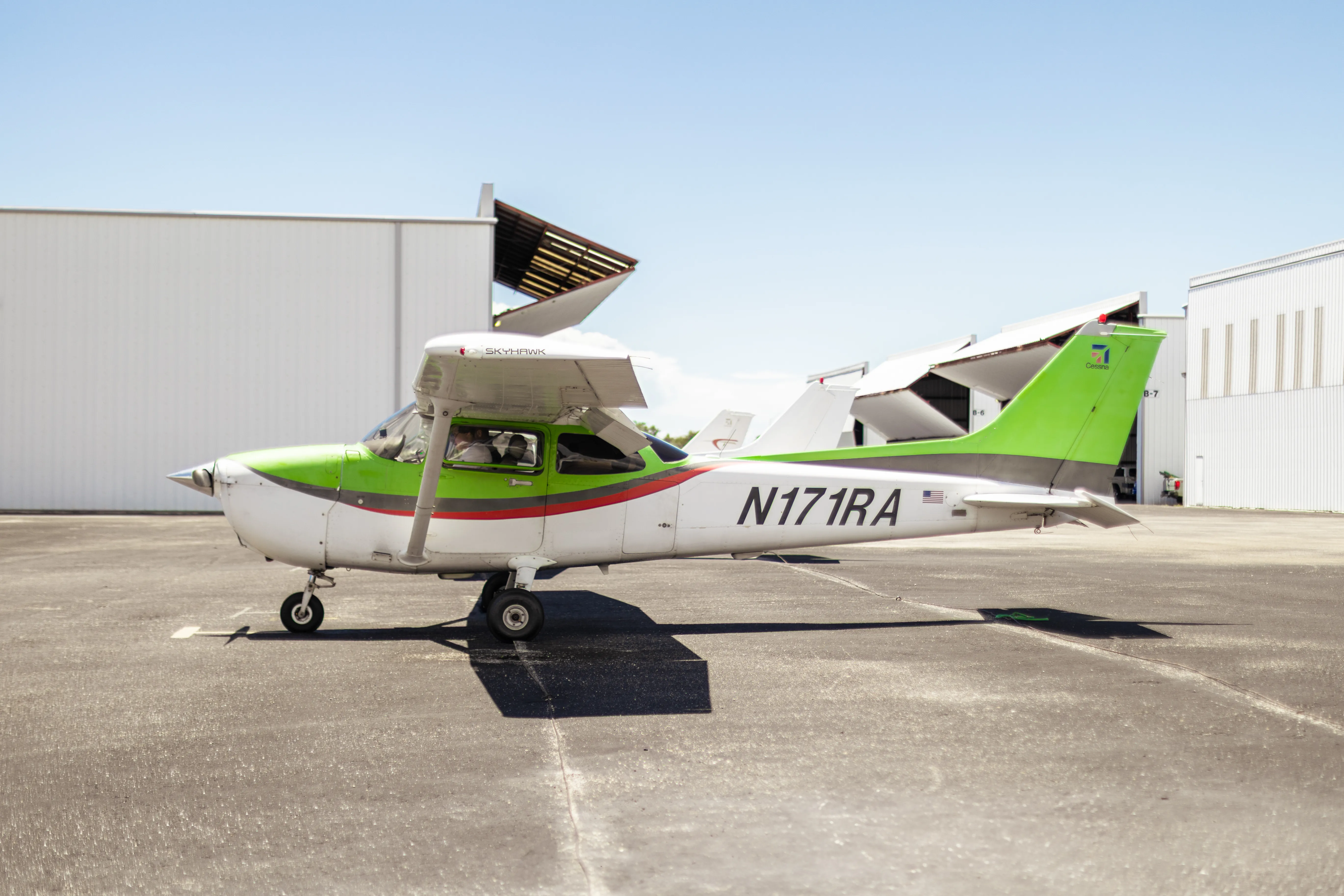
We take great care of our aircraft. Every plane in our fleet gets regular inspections and maintenance. We don’t fly unless the aircraft is in top condition.
3. Training on Real-Life Scenarios
At Cirrus Aviation, you won’t just memorize emergency checklists, you’ll practice them. Our training includes scenarios like:
- What to do if the engine loses power
- How to land safely in bad weather
- When to call for help from Air Traffic Control
We use tools like FAA checklists and the PAVE model (Pilot, Aircraft, enVironment, and External pressures) to help students make smart decisions .
4. Personal Minimums
Before every flight, our students learn how to set their own “personal minimums.” These are limits you set for yourself, like:
- The lowest weather conditions you’re comfortable flying in
- How much rest you need before flying
- How well you know the aircraft and route
Setting personal limits helps students stay in control and avoid risky situations .
Safety Standards in the Real World
Safety standards also guide how students are tested. The FAA’s Airman Certification Standards (ACS) list all the skills and knowledge you need to earn your private pilot certificate. These include:
- Risk management
- Emergency procedures
- Situational awareness
Our instructors use the ACS every day in lessons. That means students aren’t just getting ready to pass, they’re learning to fly smart, fly safe, and fly well.
Why It Matters
Flying is fun, but it’s also a serious responsibility. At Cirrus Aviation, we believe that learning to fly the right way, from day one, is the best way to stay safe.
When you train with us, you’re learning more than how to take off and land. You’re learning how to think like a pilot. That’s what safety is all about.
Want to Learn More?
Visit www.cirrusaviation.com to explore our flight training programs, meet our instructors, and schedule your first discovery flight. Safety is the foundation of your journey, and we’re here to guide you every step of the way.