News Feb 16, 2026 • Nayda Cattin
Introduction
The professional pilot career in 2026 remains one of the most respected and rewarding paths in aviation. Airlines, charter operators, corporate flight departments, and flight schools continue to seek well-trained pilots who meet strict safety and performance standards.
If you are thinking about becoming a professional pilot in Florida or anywhere in the United States, it is important to understand what the path looks like today. From earning your first certificate to building flight hours, each step requires focus, structure, and the right training environment.
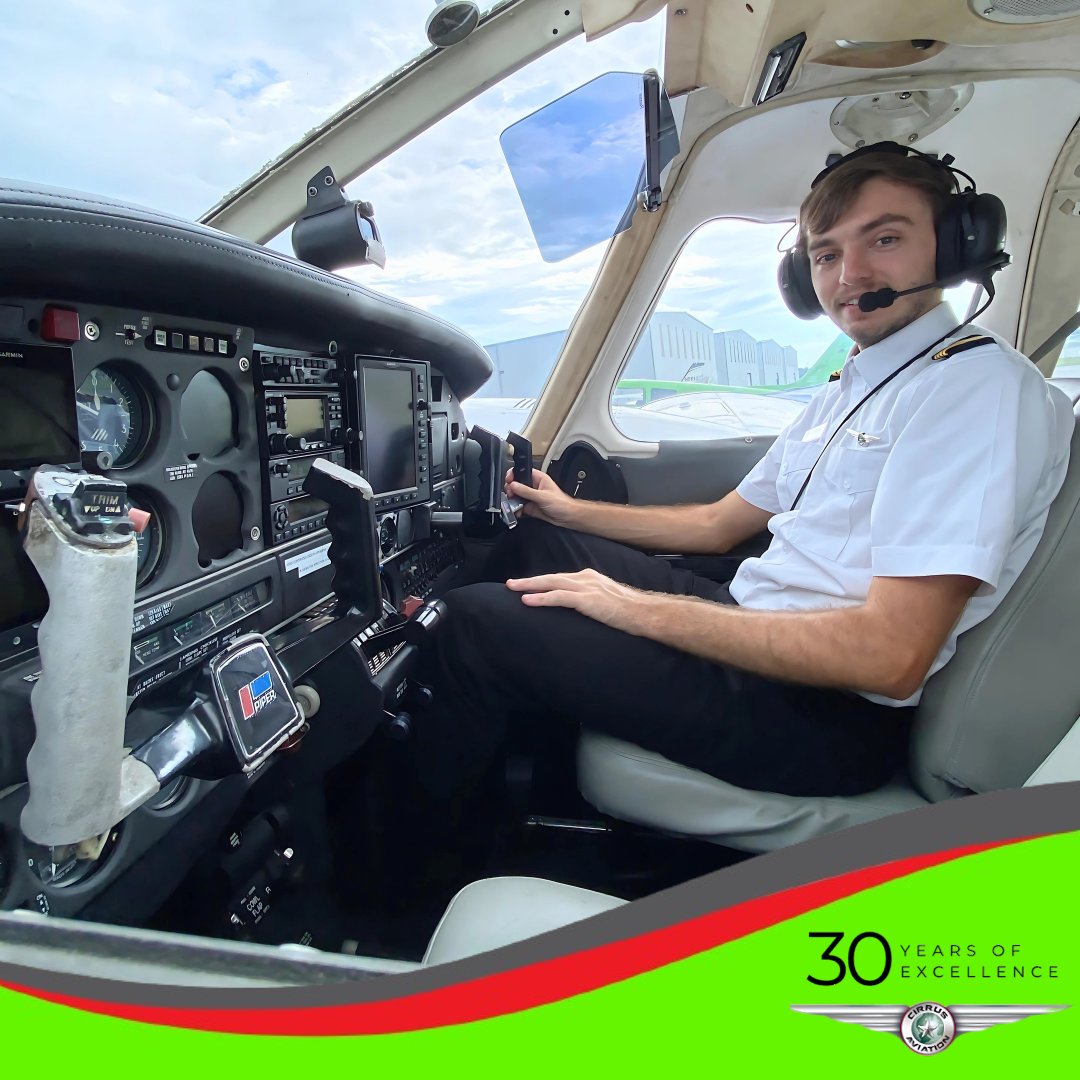
At Cirrus Aviation students train under FAA Part 141 and Part 61 standards at the Sarasota Bradenton International Airport. This structured approach helps prepare future pilots for real-world flying and long-term career growth.
What a Professional Pilot Career Looks Like in 2026
In 2026, the path to becoming a professional pilot is clear but demanding. Most pilots begin with a Private Pilot Certificate, then continue with an Instrument Rating and Commercial Pilot Certificate. Many also earn Certified Flight Instructor ratings to build flight time and gain teaching experience.
Airlines and commercial operators look for pilots who show strong decision-making skills, discipline, and a commitment to safety. Technical skill is important, but so is professionalism. Employers value pilots who train in structured programs and who understand standard operating procedures.
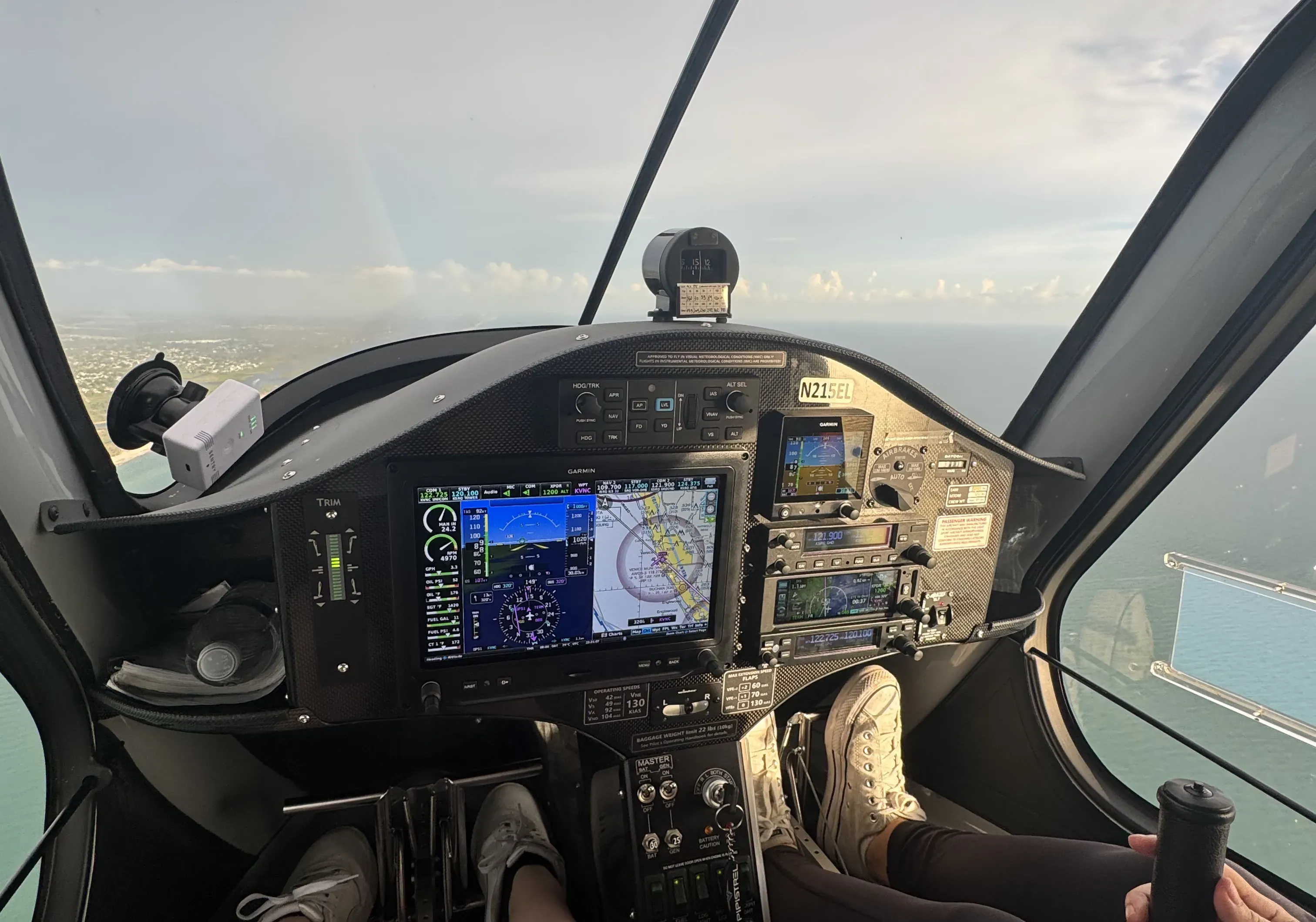
In Florida, year-round flying weather supports consistent training. This allows students to progress efficiently without long weather delays. Training at a busy airport like Sarasota Bradenton International Airport also provides experience in controlled airspace and real-world traffic environments.
Training Expectations for Future Pilots
Becoming a professional pilot requires both classroom study and hands-on flight time. Students must learn aerodynamics, weather, navigation, regulations, and aircraft systems. They must also demonstrate skill during practical exams with FAA examiners.
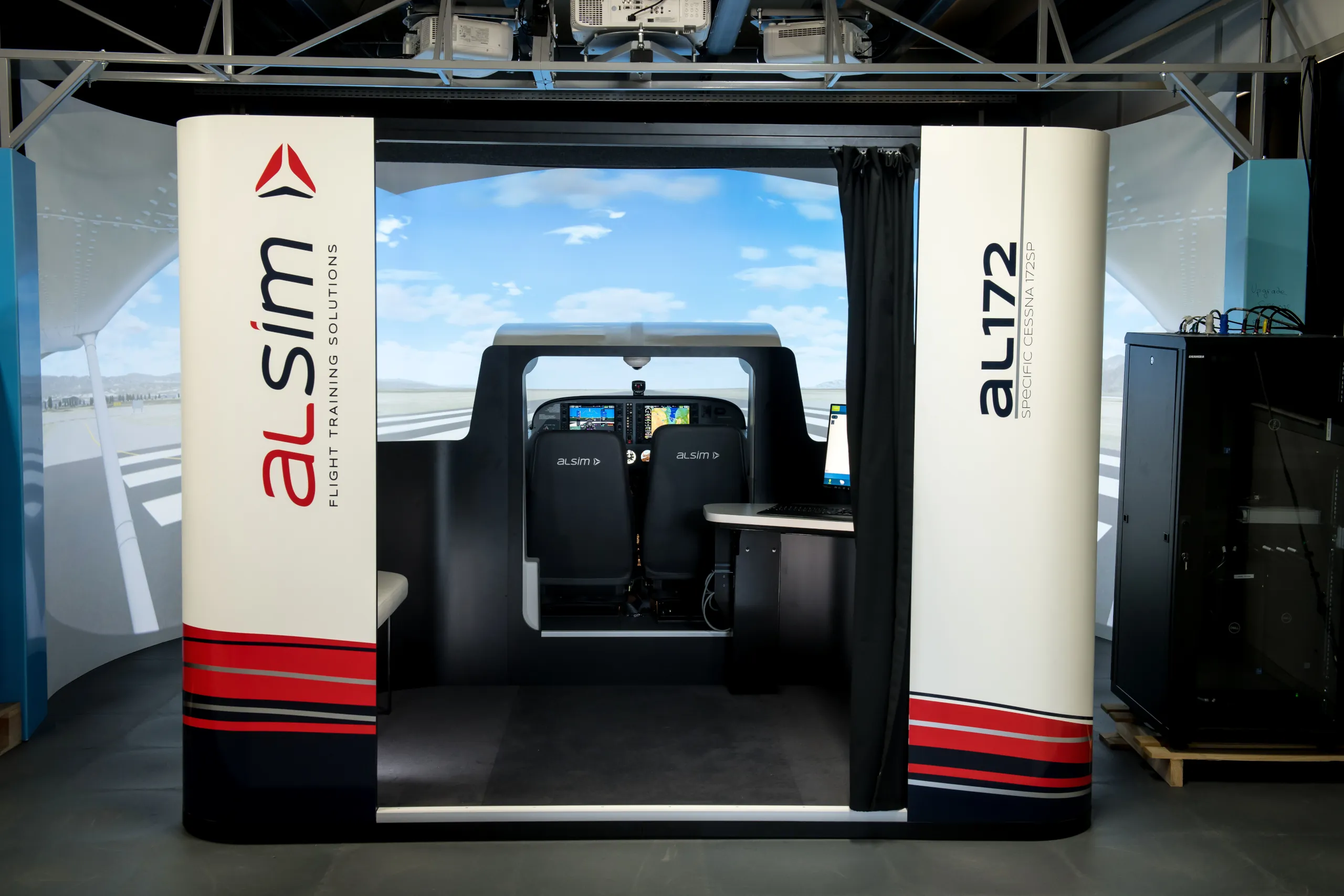
Simulator training plays a larger role in 2026 than ever before. Advanced flight simulators allow students to practice instrument procedures and emergency scenarios in a controlled setting. This improves proficiency and reduces risk before entering similar situations in the aircraft.
At Cirrus Aviation, training follows a structured syllabus designed to build skill step by step. This helps students stay on track and understand what is required at each stage of their training.
Career Paths Available to Professional Pilots
A professional pilot career does not follow only one path. In 2026, common career options include:
- Regional airline pilot
- Major airline pilot
- Corporate or business aviation pilot
- Charter pilot
- Flight instructor
- Specialized operations such as aerial survey or cargo
Many pilots begin as flight instructors to build hours. Teaching others strengthens their own knowledge and sharpens their flying skills. Over time, pilots may move into larger aircraft and more complex operations.
Florida remains a strong aviation hub, with activity in cities such as Sarasota, Tampa, St. Petersburg, and across the Gulf Coast region. This creates a dynamic training and operational environment for new pilots.
Why Location Matters
Training location plays a key role in long-term success. Florida offers consistent weather, diverse airspace, and access to both towered and non-towered airports. Students in Sarasota benefit from flying in a busy yet manageable airspace system that builds confidence and communication skills.
Living and training in the Sarasota area also provides access to housing, transportation, and a strong aviation community. For out-of-state and international students, this environment supports steady progress from enrollment through certification.
Preparing for a Long-Term Career
A professional pilot career requires commitment. Students must be ready to dedicate time, effort, and focus to their training. Strong study habits, consistent attendance, and clear career goals make a difference.
In 2026, employers continue to value structured training programs. Completing your ratings under FAA Part 141 standards demonstrates discipline and accountability. These qualities matter when applying for advanced positions later in your career.
If you are considering becoming a professional pilot in Florida, the most important step is choosing the right training environment. A program that emphasizes safety, standardization, and proficiency will help you build a strong foundation for the future.
Get in touch
Call us at (941) 360-9074 or contact us to learn more about our flight training programs or to schedule a tour of our facilities. Discover why Cirrus Aviation is the premier choice for aviation training in Sarasota!