News Aug 10, 2026 • Nayda Cattin
You can spend months imagining a pilot career from behind a desk. Then the headset goes on, the cockpit door closes, and the idea becomes tangible.
For career changers, a Discovery Flight is a practical way to test the experience before committing to a training plan. It will not tell you everything about becoming a professional pilot, and it cannot predict your future success. What it can do is replace some of the guesswork with firsthand information: how you respond to instruction, how the cockpit feels, and whether landing leaves you eager to understand more.
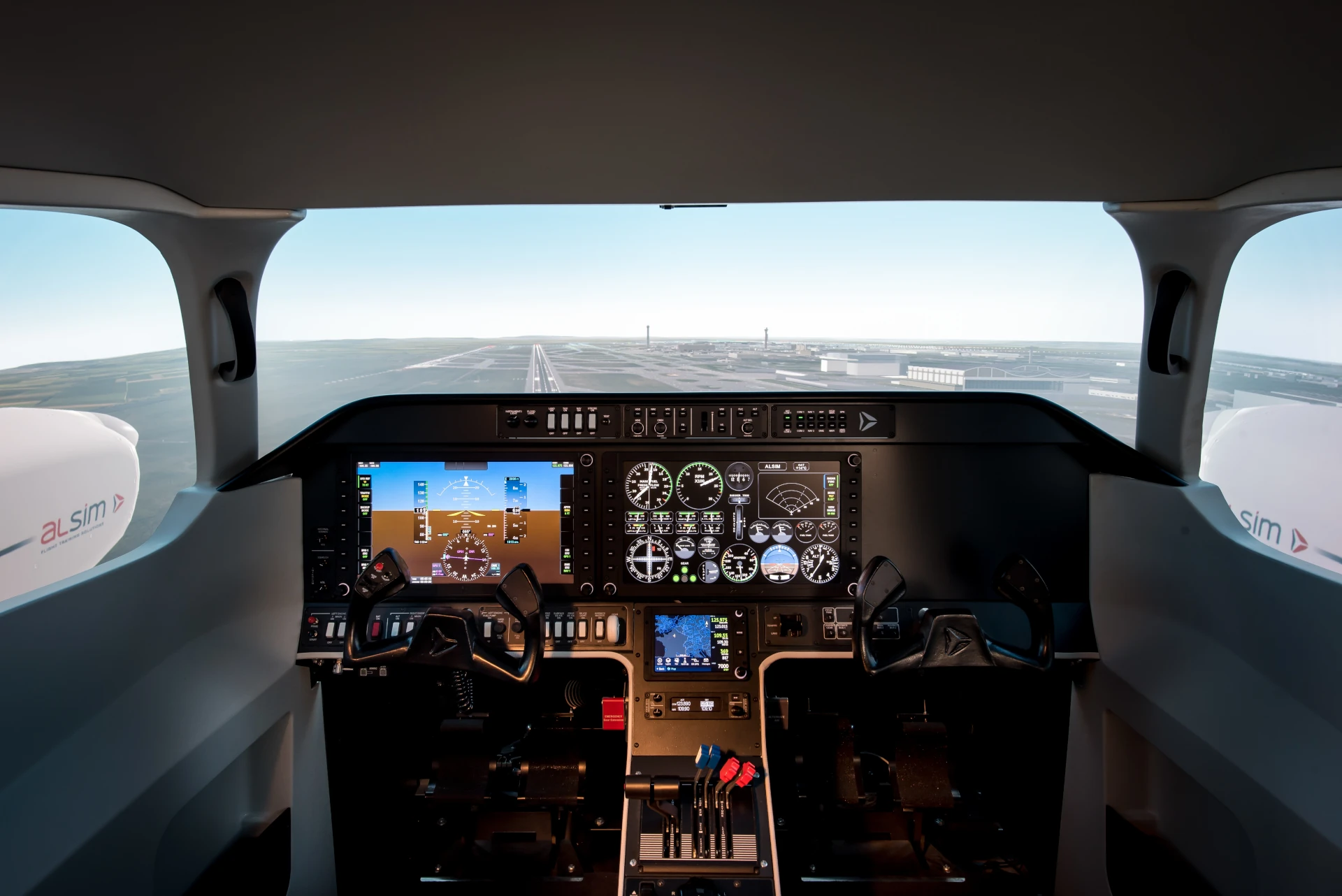
At Cirrus Aviation in Sarasota, that first experience begins in our full-size AL250 simulator before moving to the aircraft. You do not need previous aviation experience. You only need enough curiosity to put the career idea in contact with the real learning environment.
Test the Learning Process, Not Just the View
A first flight over Sarasota can be memorable, but a career changer should pay attention to more than the scenery. The more useful question is whether you enjoy being taught to fly.
During our Discovery Flight experience, your instructor introduces the cockpit and basic controls in the simulator. You can hear an explanation, try a control input, make a correction, and begin building a mental picture before real motion, sound, and radio traffic enter the lesson.
Then you move to the aircraft and fly a similar profile with the instructor guiding the experience. Notice how you react when several unfamiliar things happen at once. Are you interested in understanding why the airplane responds as it does? Does a correction make you want another attempt? Can you stay engaged when the lesson asks for patience as well as excitement?
Those reactions are more informative than whether every control movement feels natural on day one. A first-time student is not expected to perform like a trained pilot. You are testing your willingness to learn.
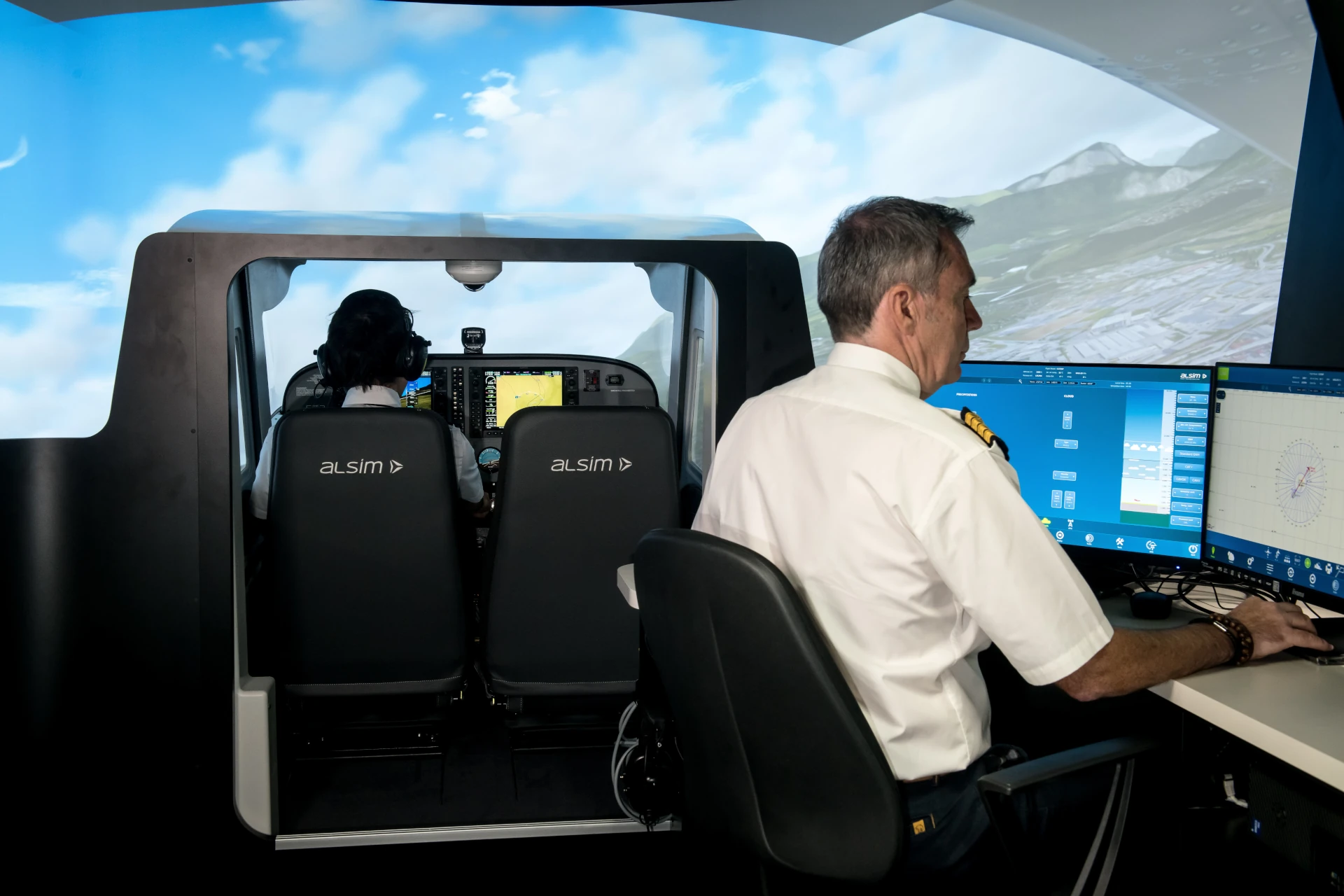
The simulator gives you room to listen, try, reset, and notice how you respond to structured instruction.
Let the Cockpit Challenge the Career Fantasy
Professional flying can look very different from the outside. The uniform, travel, and aircraft may draw your attention first, but training begins with fundamentals: checklists, preparation, repetition, communication, and steady improvement.
A first flying lesson lets you experience a small but honest piece of that process. The cockpit may feel compact. Radio calls may move quickly. A simple task can demand more concentration than expected. None of those reactions automatically mean that aviation is (or isn’t) right for you.
Instead, watch what happens after the initial surprise. Do you become more curious as the cockpit starts to make sense? Do you appreciate the deliberate pace of a checklist? Does the instructor’s guidance help you settle into the task? Would you want to return and improve rather than merely repeat the thrill?
One Discovery Flight is useful evidence, not a final verdict on career fit. A professional path eventually involves substantial training, evaluations, financial planning, and eligibility requirements. The introductory lesson helps you decide whether those deeper conversations deserve your time.
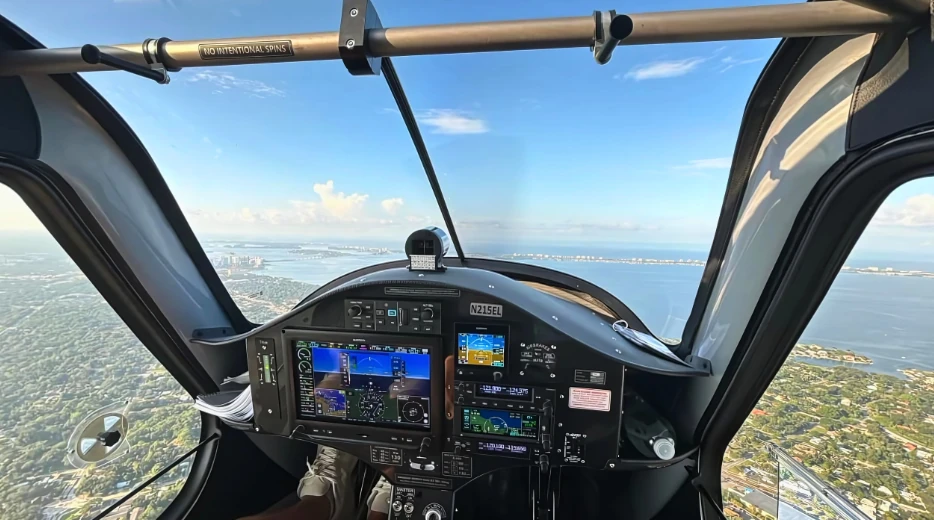
A career path is built through preparation and consistent progress long after the first exciting flight.
Use the Lesson to Evaluate the School Around the Airplane
The aircraft matters, but your training experience will also be shaped by the people, structure, and expectations around it. A Discovery Flight gives you an early look at how a school introduces unfamiliar material and supports a new student.
At Cirrus Aviation, our broader training approach is built around individualized instruction, primarily consistent instructor relationships, and simulator-to-aircraft preparation. During the visit, pay attention to whether explanations are clear and whether questions are welcomed. Notice whether the experience feels organized without feeling impersonal.
If the career idea remains compelling, use the conversation after the flight to explore:
- How full-time and part-time training may fit your current responsibilities
- How a Private Pilot Certificate forms the foundation of further training
- How the larger flight training timeline is divided into certificates and ratings
- What level of weekly consistency your goal may require
- How to approach medical planning before making a major professional-training investment
You are not trying to choose an entire career in one afternoon. You are deciding whether the school and learning process deserve a closer look.
Compare the Commitment With the Life You Have Now
Career changers rarely begin with an empty calendar. You may be balancing a job, family, travel, or financial obligations. Motivation matters, but a workable plan also needs time, consistency, and room for training costs.
After the flight, write down what would have to change for aviation training to become sustainable. Would you train around your current work schedule, or are you considering a more intensive transition? How often could you realistically fly? What support would you need at home? Which expenses require planning before enrollment?
Our article on how often to fly during Private Pilot training explains why consistency is part of the decision. If funding is one of your concerns, review our pilot financing resources and discuss the complete financial picture before choosing a program. Financing availability and terms depend on the applicant and the eligible program.
A good career decision should survive contact with your real schedule and budget. The Discovery Flight creates momentum, but the planning conversation determines whether that momentum can continue.
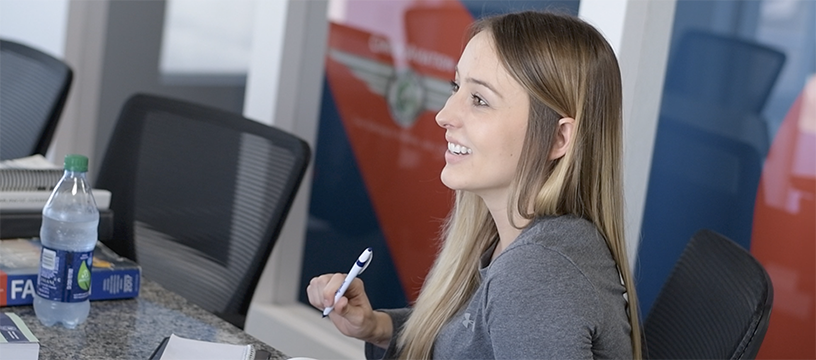
Turn the energy of your first flight into a written plan for schedule, training pace, and finances.
Ask Better Questions After You Land
The most important part of a Discovery Flight may be the conversation it starts. Before you leave, take a moment to separate emotion from information. Feeling excited is valuable; knowing why you are excited is even more useful.
Consider these questions:
- Did I enjoy learning, or only the sensation of flying?
- Which part of the simulator or aircraft lesson made me want a deeper explanation?
- How did I respond when the instructor corrected or redirected me?
- Can I picture myself studying and practicing between flights?
- What schedule and financial questions must I answer next?
- Am I exploring personal flying, a professional path, or both?
If your answers point toward professional training, our Career Pilot Program can help you understand how individual certificates and ratings connect. Training completion, professional qualifications, and employment are separate milestones, so the next step is a detailed planning conversation.
Frequently Asked Questions About Career-Change Discovery Flights
Do I need aviation experience before a Discovery Flight?
No. Our Discovery Flight is designed as an introduction for first-time students. The simulator portion helps you become familiar with the basic cockpit picture before moving to the aircraft.
Can one Discovery Flight tell me whether I should become a pilot?
It can give you better evidence for the decision, but it cannot predict your training performance or career outcome. Use it to evaluate your response to instruction, the cockpit environment, and your desire to keep learning. Our new-to-flying guide can help you place that experience in context.
Is a Discovery Flight only for future professional pilots?
No. People book Discovery Flights for personal interest, a memorable experience, or to explore training. If you are weighing recreational and professional goals, compare the available flight training paths after your lesson.
Should I leave my current job before taking a Discovery Flight?
No. The purpose of this introductory experience is to gather information before making a major commitment. Start with the flight, then compare your responsibilities with realistic training-frequency considerations.
When should I think about an aviation medical certificate?
You do not need to resolve your entire professional pathway before an introductory lesson. If you intend to pursue a pilot career, address medical planning early, before investing heavily in training. We can help you identify the right planning questions, contact our team for more information.
What happens if I want to continue after the flight?
The next conversation should cover your goal, availability, preferred pace, and financial plan. Depending on your objective, you may begin with Private Pilot training or discuss the broader professional sequence.
Put the Career Idea in the Pilot’s Seat
Reading, researching, and imagining can help you form a goal. A Discovery Flight lets you test that goal in the environment where training actually happens.
You will meet an instructor, begin in the simulator, move to the aircraft, and leave with observations that no generic career article can give you. You do not need to decide your whole future before takeoff. You only need to find out whether the next question is worth asking.
Book your Discovery Flight and give your career idea its first real test.