News Aug 7, 2026 • Nayda Cattin
The best rhythm for most Private Pilot students is to schedule about three flight lessons per week when possible. That is not an FAA rule, and it does not guarantee a particular hour total or completion date. It is a practical target that gives your skills less time to fade and leaves room for a weather or maintenance cancellation without losing the entire week.
If three lessons do not fit your life, do not abandon the goal. A steady two-lesson schedule can work well. Even one lesson per week can move you forward when you prepare seriously and protect that appointment. The schedule that helps most is not the most aggressive one on paper. It is the one you can maintain through your Private Pilot training without repeated stop-and-start gaps.
Three Scheduled Lessons Give Your Week Some Breathing Room
Imagine that you reserve Tuesday, Thursday, and Saturday. Tuesday’s lesson goes as planned. A thunderstorm cancels Thursday. You still fly Saturday, so the week produces two useful training sessions instead of none.
That buffer is one reason three scheduled blocks can be a strong target. Flight training depends on more than your calendar. Weather, aircraft maintenance, instructor availability, and your own readiness can change a planned lesson. Scheduling some margin helps you keep momentum when aviation changes the plan.
At Cirrus Aviation, we help students choose a pace that fits both their goals and their real weekly availability. Our Private Pilot course can be completed through structured Part 141 training or a flexible Part 61 path, but either route still depends on proficiency, preparation, and consistent practice.
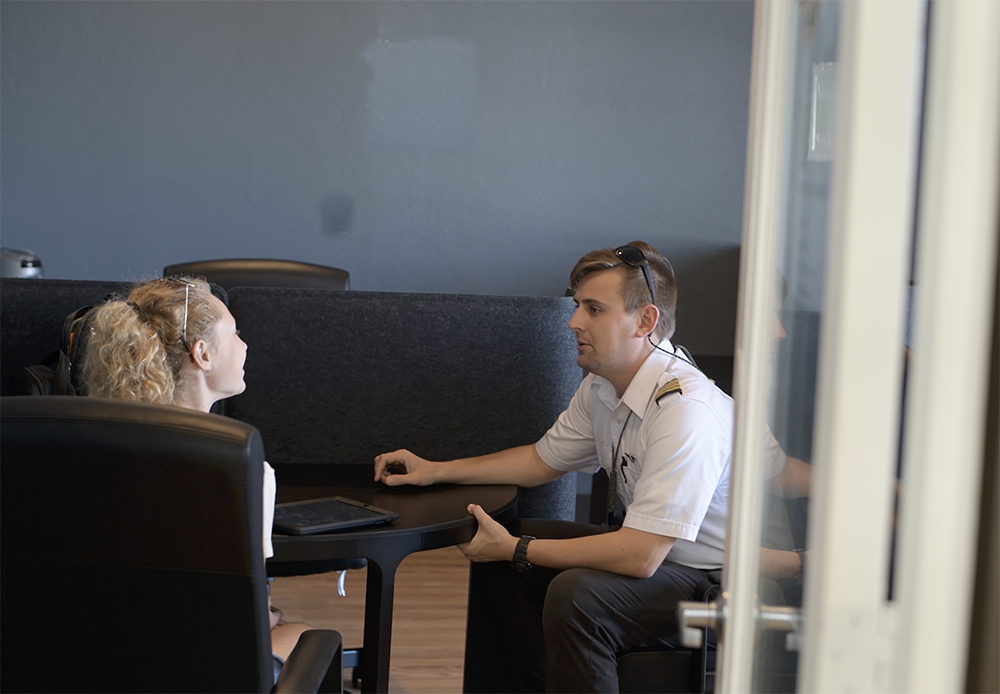
A workable week begins with honest planning around lessons, study time, and the interruptions aviation can bring.
Consistency Protects the Skills You Built Last Time
Early flight lessons ask you to coordinate many unfamiliar tasks at once: aircraft control, checklists, radio calls, traffic scanning, and decisions. Those tasks become easier through repetition, but they are not permanent after one good lesson.
When your next flight happens soon, the sight picture from landing practice is still familiar. The checklist flow comes back faster. Your radio call feels less like a script you are decoding word by word. More of the lesson can go toward the next skill.
After a long gap, your instructor may need to spend part of the next lesson rebuilding comfort and accuracy before moving forward. Review is a normal part of learning to fly, but repeated gaps can make the same stage take more calendar time and aircraft time than necessary.
This is also where instructor continuity helps. Our individualized training approach keeps students primarily with one instructor, so feedback from one lesson can carry directly into the next instead of starting from a blank page.
Your Flight Schedule Is Only Half the Training Plan
Flying three times in a week will not help as much if every lesson begins with unfinished ground preparation. A strong schedule includes short, focused touchpoints between flights.
Here is a realistic pattern:
| Day | Training touchpoint | What it protects |
|---|---|---|
| Monday | Review the next lesson and chair-fly procedures | Checklist flow and lesson readiness |
| Tuesday | Flight lesson | Aircraft control and instructor feedback |
| Wednesday | Ground study or instructor-directed simulator practice | Knowledge, radio work, and procedure sequence |
| Thursday | Flight lesson | Repetition while Tuesday’s feedback is fresh |
| Friday | Review notes and prepare questions | A clear objective for the next session |
| Saturday | Flight lesson or weather buffer | Momentum when another lesson is canceled |
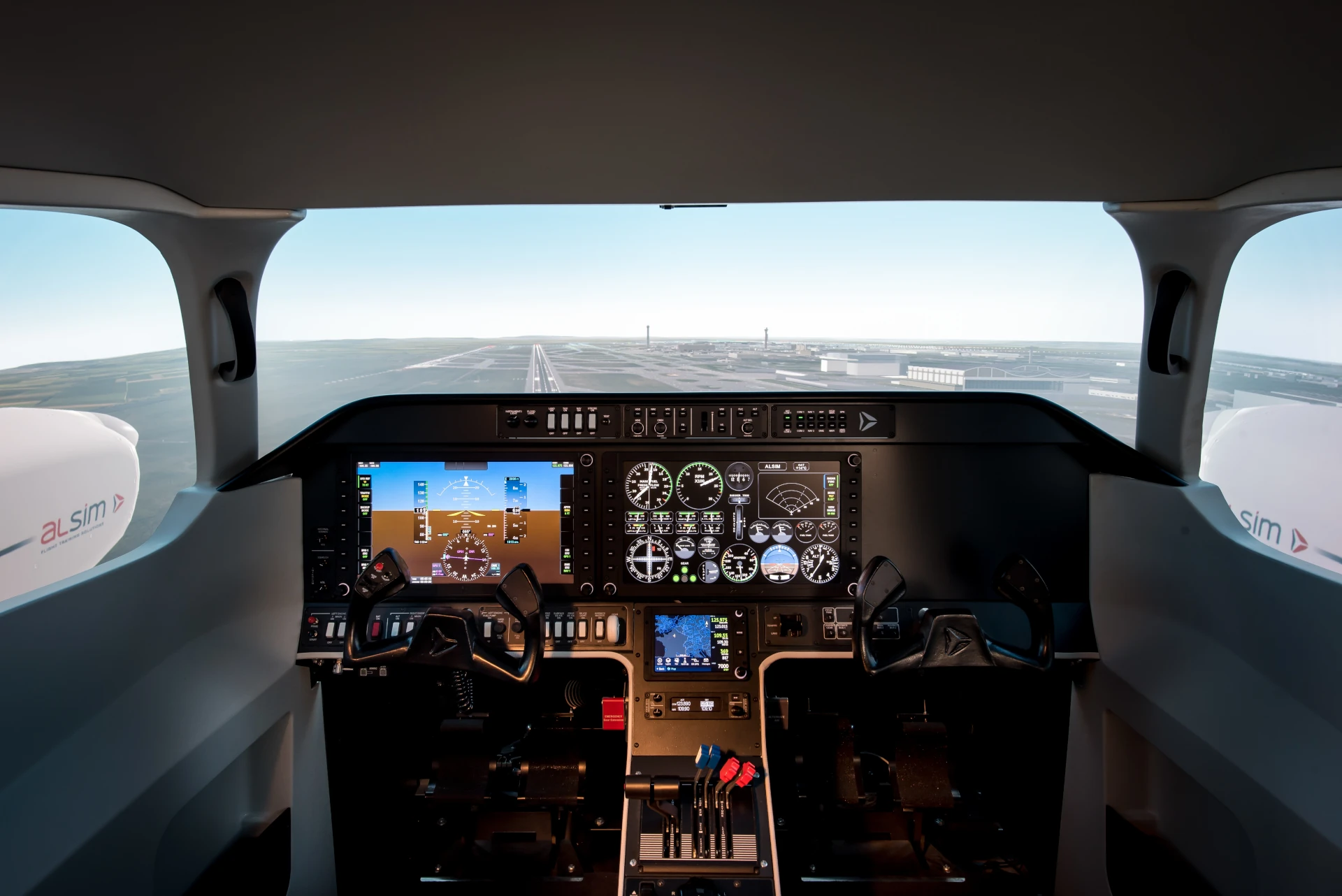
Chair flying means mentally rehearsing a cockpit sequence while you are on the ground. It can be as simple as touching an imaginary control, saying the checklist item, and picturing what you expect to see next. Our flight simulator lab can add structured, instructor-directed practice when simulation supports the lesson objective.
Simulator use does not automatically replace aircraft time or count toward every FAA requirement. Its value here is focused repetition: we can pause, reset, and work through a sequence before you manage the full workload in the airplane.
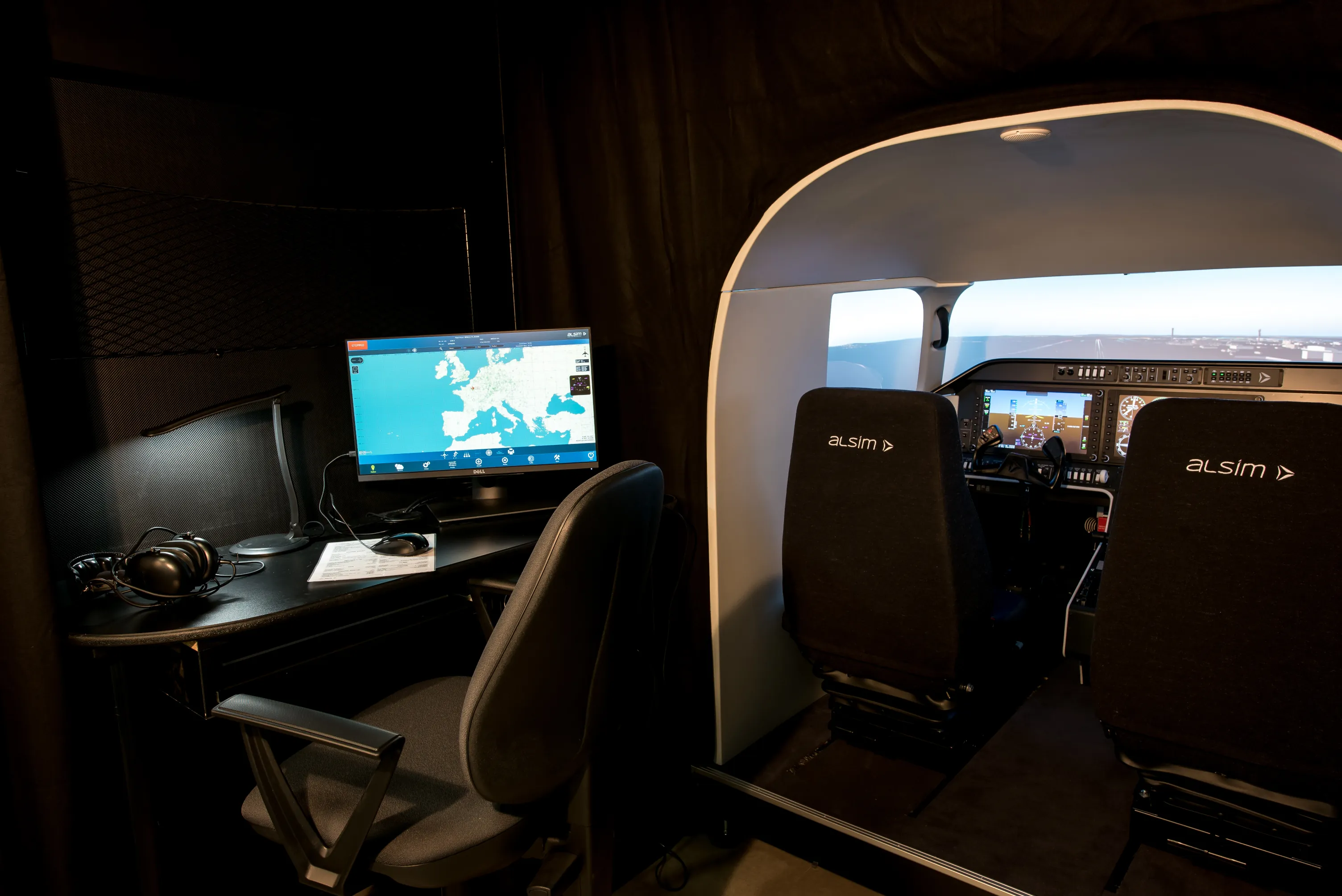
Ground and simulator touchpoints can keep procedures active between flights when they are tied to the next lesson objective.
Choose a Pace Your Calendar and Budget Can Sustain
The fastest-looking plan is not always the most efficient one. Scheduling five lessons during one unusually open week and then disappearing for three weeks creates a different learning pattern from flying twice every week for several months.
Before you begin, look at the commitments that are unlikely to move: work shifts, school, childcare, travel, and other responsibilities. Then decide which recurring blocks can truly belong to training. Protectable time beats optimistic time.
Plan the financial rhythm at the same time. More frequent lessons concentrate aircraft and instructor expenses into a shorter calendar period, while a slower pace spreads payments out but may increase the chance of review after gaps. Total cost still varies with your proficiency, preparation, weather, aircraft and instructor availability, examiner scheduling, and the amount of training you need.
Our pilot financing resources outline options that may apply to qualified students and programs. Talk with admissions about the current funding options for your situation before a financial pause interrupts the schedule you worked to build.
Adjust the Plan Before a Short Gap Becomes a Long One
Missing one lesson is normal. The better question is what happens next.
If work becomes busy or weather cancels several flights, stay connected to the material. Review the previous debrief, prepare for the next lesson, practice checklist flows, or schedule an appropriate ground or simulator session. Then get the next flight back on the calendar instead of waiting for a perfect week.
You should also talk with your instructor when the pace feels wrong. If you are arriving rushed and underprepared, fewer flight blocks with better study may produce more useful lessons. If you feel ready but keep losing continuity, additional recurring blocks may help. Our broader flight training options allow us to compare structure, pacing, and goals with you rather than force every student into the same rhythm.

The right training pace leaves enough time to prepare, fly with purpose, and use each debrief to shape the next lesson.
Private Pilot Training Frequency FAQs
Is flying once a week enough for Private Pilot training?
It can be. One lesson per week requires especially strong preparation and schedule protection, because a single cancellation can create a two-week gap. Use ground study and instructor-directed practice between flights, and keep the next lesson booked through our Private Pilot program.
Is it better to fly two or three times per week?
For many students, three scheduled blocks provide more continuity and a cancellation buffer. Two consistent lessons can still be a very effective rhythm. The right choice depends on your preparation, availability, budget, and progress. We can help you compare those factors when you contact Cirrus Aviation.
Can I fly every day during Private Pilot training?
An accelerated schedule can work for a prepared student with enough time for study, rest, and debriefing. More flights are not automatically better if fatigue or weak preparation reduces lesson quality. Review intensive pacing through our flight training programs before building the calendar.
Will flying more often reduce my total training cost?
A consistent schedule can reduce avoidable relearning, but it cannot guarantee a lower total cost. Your final training time depends on proficiency and several operational factors. Include aircraft, instructor, ground, testing, supplies, and examiner expenses in the plan, then review financing information early.
How long does Private Pilot training take?
You should generally plan for Private Pilot training to take around 2 to 6 months, depending on pace, weather, availability, preparation, and individual progress. That range is a planning guide, not a guaranteed finish date. Your instructor advances you when you meet the required standards. Explore the Private Pilot course for the full progression.
What should I do between flight lessons?
Review your debrief, study the next objective, chair-fly procedures, prepare questions, and complete the ground assignments your instructor gives you. When appropriate, simulator practice can help you rehearse a procedure before returning to the aircraft.
Build a Weekly Schedule You Can Keep
Your Private Pilot schedule should create momentum without pretending weather, work, and life will always cooperate. Aim to schedule about three lessons per week when possible, or choose the most consistent rhythm you can realistically protect. Pair those flights with preparation between lessons, and adjust early when gaps begin to grow.
Contact our team to build a Private Pilot training schedule around your goals, weekly availability, and budget.