News Aug 10, 2026 • Nayda Cattin
If you have never taken a flight lesson, you may wonder whether you missed your chance to become a pilot. Perhaps aviation has interested you for years, and only now do you have the time or resources to explore it. For most adults considering flight training, age alone does not close that door.
The FAA has no general upper age limit for pilots. You can start with no flight experience and work toward a Private Pilot Certificate later in life if you meet the applicable eligibility, medical, knowledge, experience, and practical-test requirements. You may even take an introductory lesson with an instructor before obtaining a student pilot certificate or medical certificate.
Your next decision depends on four practical questions: what kind of flying you want to pursue, whether you can meet the relevant medical requirements, how regularly you can train, and what budget you can sustain. Working through those questions will tell you far more than your birthday alone. At Cirrus Aviation in Sarasota, we help first-time students understand the path before they commit to a full training program.
Your destination determines the training path
“Become a pilot” can describe very different ambitions. You may want to fly family and friends, make weekend trips, add a meaningful challenge to retirement, or begin a professional aviation career. Your destination determines the route.
For personal flying, the usual first major milestone is a Private Pilot Certificate. The FAA sets a minimum age of 17 for an airplane Private Pilot Certificate and has no general maximum age. Earning the certificate requires the prescribed training plus demonstrated knowledge and proficiency.
A professional ambition needs a more detailed conversation. Many career-track pilots progress from private pilot through an Instrument Rating, commercial privileges, instructor qualifications, experience building, and eventually airline transport pilot eligibility. Other routes exist, and completing training does not guarantee employment.
One age boundary is important: airlines operating under 14 CFR Part 121 cannot employ pilots after age 65. The FAA’s maximum-age guidance explains that this employment rule is specific to Part 121 carriers. Pilots over 65 may still learn, earn certificates, fly privately, instruct when qualified, or pursue work outside Part 121 when they meet the requirements for that operation. If an airline cockpit is your intended destination, explore the sequence through our Career Pilot Program and work backward from the role and available timeline.
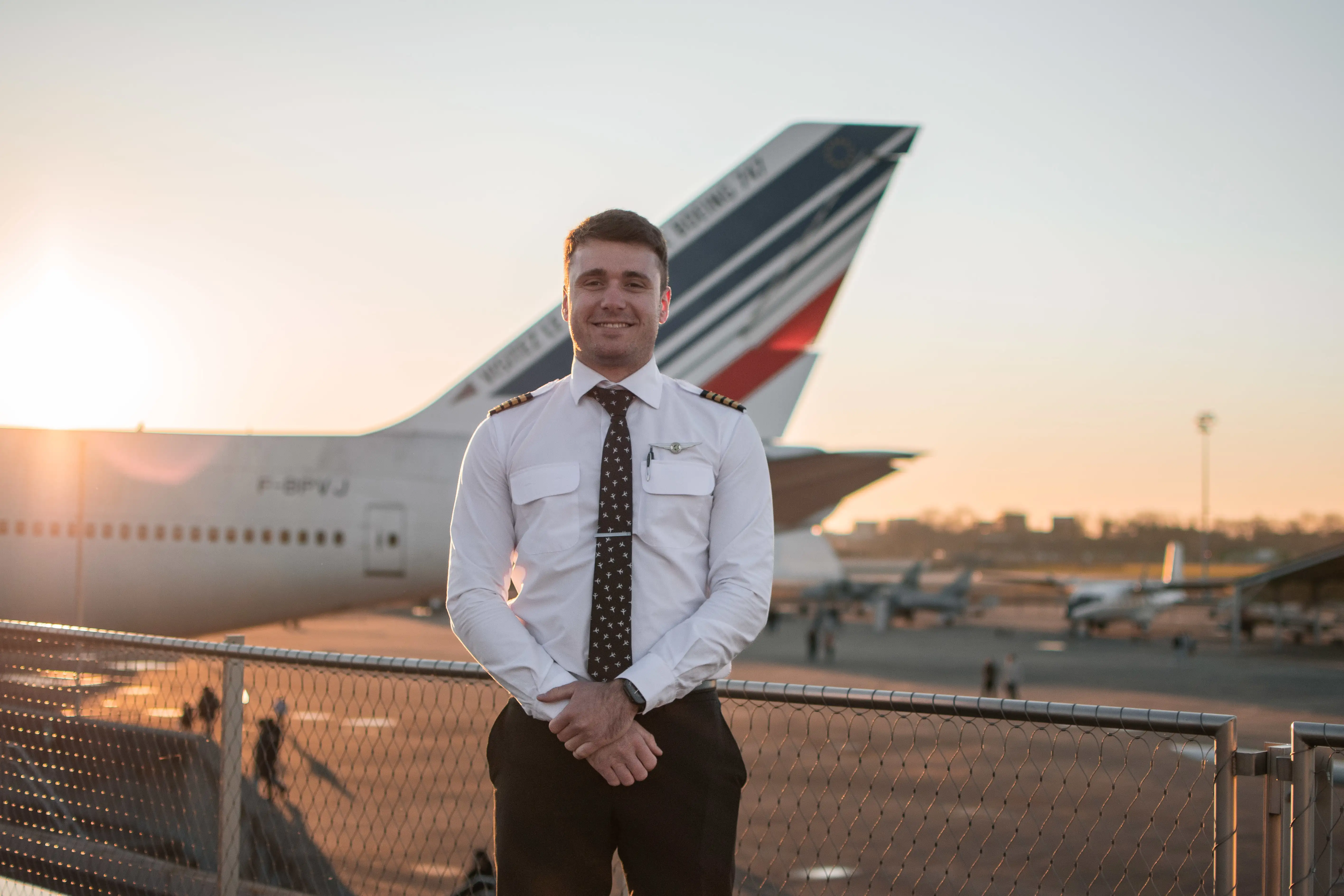
A specific destination turns an interest in flying into a route you can evaluate.
Handle the medical question before making a large commitment
There is no maximum age for obtaining an FAA medical certificate. The FAA medical-certification FAQ states that an applicant who meets the applicable standards may be issued one regardless of age. Your health history determines whether this part of the process is straightforward or requires additional review.
You may take lessons with an instructor before obtaining a student pilot certificate or medical certificate. Most airplane students need the appropriate medical qualification, a student pilot certificate, and instructor endorsements before solo flight. Our new-to-flying guide shows where those steps fit.
If you have questions about a diagnosis, medication, prior surgery, vision, hearing, or another medical issue, speak with an Aviation Medical Examiner (AME) early. An AME can explain the FAA process and evaluate your individual circumstances. Medical-certificate duration also differs by age and operation. For example, third-class privileges are generally valid for 24 calendar months when the applicant was 40 or older on the exam date.
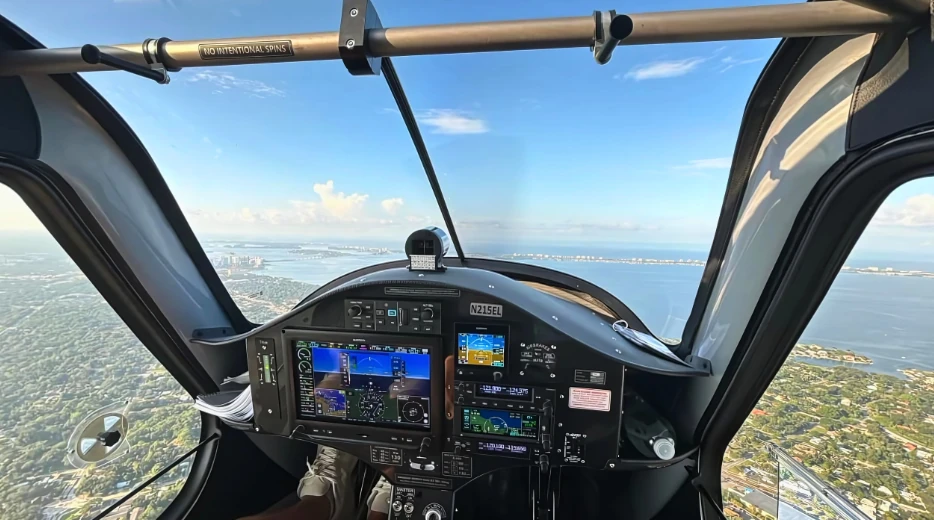
An early medical consultation can protect your time and training budget by identifying extra steps before you invest heavily. Meanwhile, a Discovery Flight offers a low-commitment way to experience the cockpit with an instructor.
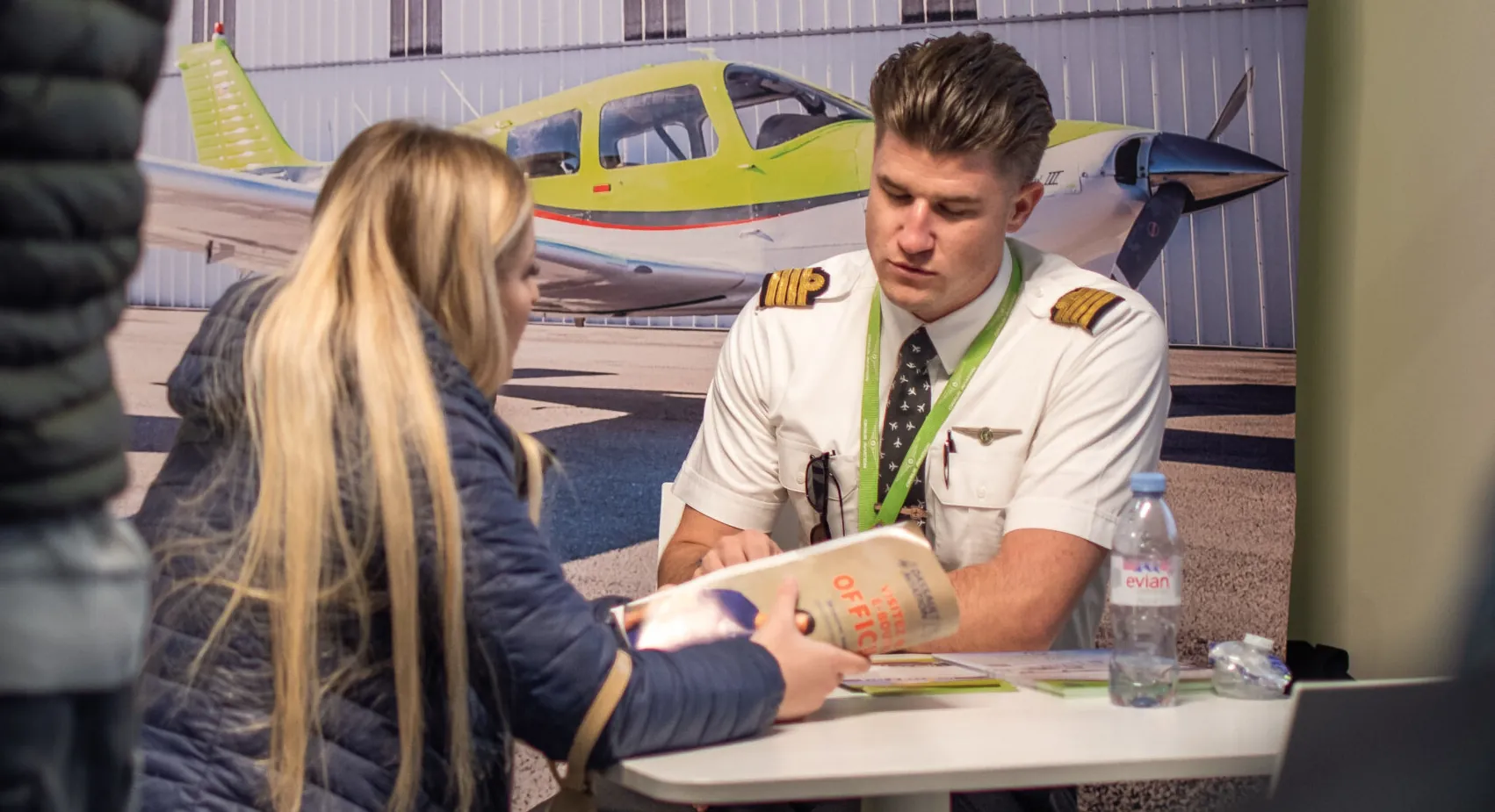
Good training begins with a candid conversation about requirements and the next lesson.
A steady schedule beats an age stereotype
Older learners sometimes assume they will automatically need more time. Proficiency is individual, and training pace depends on preparation, lesson frequency, weather, aircraft availability, and the complexity of each new skill.
The practical question is whether you can maintain a rhythm that supports retention. Long gaps can force any student to spend lesson time rebuilding comfort with checklists, radio calls, sight pictures, and aircraft control. Our guide to how often you should fly during Private Pilot training explains how consistency can reduce relearning.
Life experience can also support the process. A student who knows how to prepare, accept feedback, manage a calendar, and stay patient with a complex skill brings useful habits to flight training. Those habits support a deliberate approach to every lesson while proficiency remains the standard.
At Cirrus Aviation, we tailor instruction to each student. Your instructor should know where you are improving, where you are getting stuck, and what the next lesson needs to accomplish. That individualized training approach is valuable at any age.
Build a budget around the complete learning process
Flight training is a meaningful financial commitment. Budget for the full learning process, including the time needed to reach proficiency. Your total can change with lesson frequency, preparation, weather, aircraft scheduling, and other training variables. An FAA minimum-hour figure defines a regulatory threshold; a useful personal estimate accounts for the conditions surrounding your training.
Before enrolling, decide how much time and money you can commit each month without creating pressure to rush. Compare that capacity with the pace your instructor recommends. A sustainable schedule gives you a better chance of maintaining momentum; repeated stops can add review time and expense.
Our admissions team can explain current program pricing and discuss pilot financing options that may apply to your program and situation. Financing is subject to lender approval and program eligibility, so include it as one possible resource in your budget. Recreational students can focus on the Private Pilot program and avoid the added expense of an unnecessary career sequence.

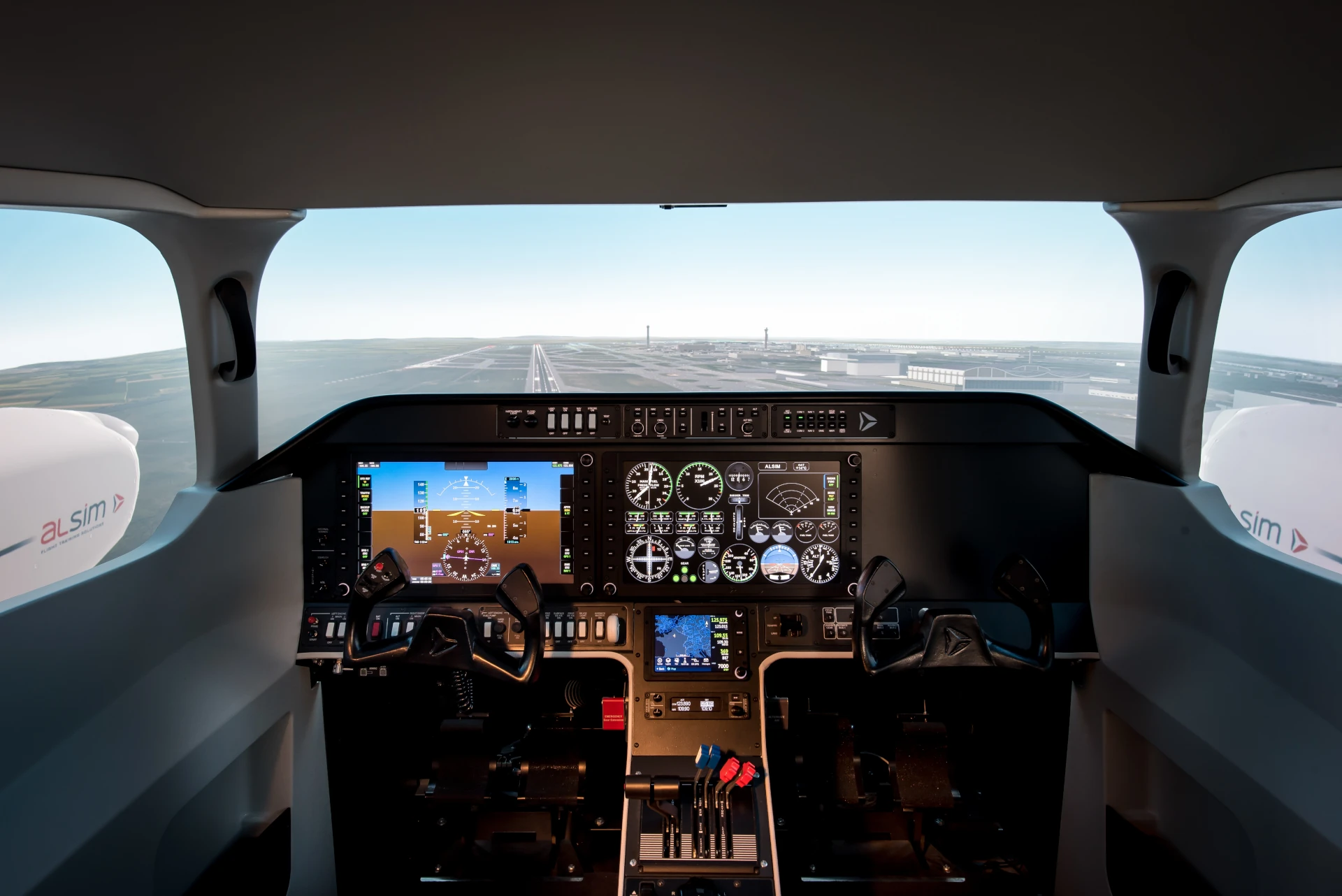
Simulator practice gives a student room to repeat procedures and build familiarity.
Let one real lesson replace years of wondering
You can research age limits for months and still wonder whether flying suits you. A first lesson gives you better evidence: how you respond to the controls, how the learning environment works for you, and whether you leave eager to understand the next step.
At Cirrus Aviation, a Discovery Flight begins in our full-size AL250 simulator. Your instructor introduces the controls and lets you practice a flight profile before you move to the airplane and fly a similar profile for real. You arrive at the aircraft with context and an early understanding of what will happen next.
Afterward, review the experience honestly. Did you enjoy the work as much as the view? Can you make room for regular lessons and study? Are you interested in personal flying or a professional route? Those answers reveal the right first certificate and a workable pace. Our flight training overview can help you compare what comes next.
Questions adult students often ask before starting
Is 40 too old to become a pilot?
No. The FAA has no general upper age limit for pilots, and 40 does not prevent you from learning to fly or earning a Private Pilot Certificate. Your medical eligibility, proficiency, goals, schedule, and budget are more useful planning factors. Start with the Private Pilot pathway if your goal is personal flying.
Is 50 or 60 too old to learn to fly?
Not by age alone. You may take lessons with an instructor at 50, 60, or later. If you intend to solo and earn a certificate, address the applicable medical and certification steps early. A Discovery Flight in Sarasota is a practical way to test your interest before committing to a full program.
Can I become a pilot after retirement?
Yes, if your goal and qualifications align. Many people pursue private flying for challenge, travel, or personal fulfillment rather than airline employment. A Private Pilot Certificate is the relevant starting point for most airplane students with that goal.
Do I need a medical certificate before my first lesson?
You do not need one merely to take a lesson with an instructor. Most airplane students should address medical certification early because the appropriate qualification is generally needed before solo. For individual health questions, consult an AME and review the steps in our new-pilot guide.
Can I start an airline career later in life?
Possibly, but the answer depends on your starting point, training timeline, medical eligibility, qualifications, economics, and hiring. Part 121 airlines cannot employ pilots after age 65. Review the sequence in our Career Pilot Program and have a realistic planning conversation before making a large investment.
Will being older make flight training take longer?
Age alone does not predict your completion time. Preparation, proficiency, lesson frequency, weather, and availability all affect progress. A consistent plan (like the one described in our flight-training frequency guide) can help limit relearning between lessons.
Find your answer in the cockpit
Your first decision can be small. An introductory lesson lets you evaluate the aircraft, the instruction, and your own response before choosing a certificate program or career route.
Book a Discovery Flight and experience the simulator, the airplane, and the learning process for yourself. One real lesson can tell you more about your fit for flying than the date on your driver’s license ever will.