IFR Rating Requirements in 2026: The Complete Guide
Eligibility, hours, the knowledge test, the checkride and a realistic timeline, all in one place, with how we cover each one at KSRQ.
What the FAA requires for an instrument rating
Five groups of requirements, one rule behind them
The IFR rating requirements for airplane pilots live in one regulation, 14 CFR 61.65, and they are still current for 2026. An instrument rating lets you fly under instrument flight rules (IFR), in clouds and low visibility, on a clearance from air traffic control. To earn it, you meet five groups of requirements:
- Eligibility: a private pilot certificate with an airplane rating and English proficiency
- Part 61 experience: 50 hours of PIC cross-country (10 in airplanes) and 40 hours of instrument time, 15 with a CFII
- Part 141 alternative: at least 35 hours of instrument training on an FAA-approved syllabus
- Ground training and the FAA knowledge test, valid for 24 calendar months
- The practical test (the checkride) against the Instrument Rating Airplane ACS
Our pre-enrollment checklist covers the documents to have ready, our IFR hours breakdown explains each hour line, and our Part 61 vs Part 141 comparison helps you choose a path. Our instrument rating program page shows how the course runs at Sarasota-Bradenton International Airport (KSRQ).
Your path to the instrument rating in five steps
Each step clears one group of FAA requirements
Confirm your eligibility
Certificate, English, medical and citizenship
Hold at least a private pilot certificate with an airplane rating and be able to read, speak, write and understand English. Our program also asks for a current FAA medical certificate and proof of U.S. citizenship or TSA approval.
- Private pilot certificate in hand
- Current FAA medical certificate
- Passport or TSA approval ready
Audit your logbook
Know your cross-country and instrument totals
Add up your PIC cross-country time and any instrument time you already logged. The totals tell you which path fits and how much flying you still need.
- PIC cross-country hours, with 10 in airplanes
- Actual or simulated instrument hours
Pass the knowledge test
Ground training, an endorsement, then the written
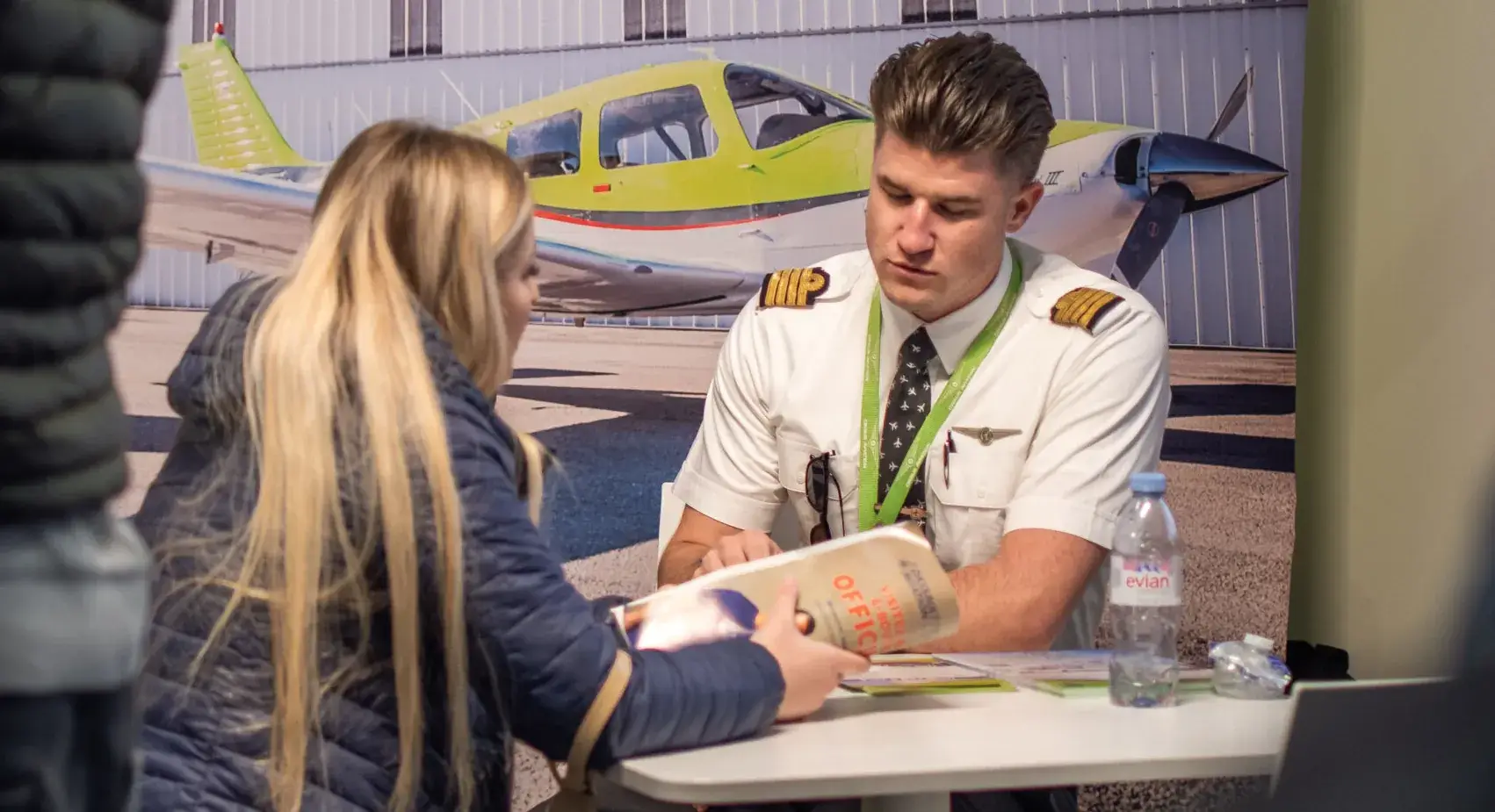
Finish ground training or a home-study course, get your instructor's endorsement, and take the test at our on-site testing center.
- Ten FAA knowledge areas
- Photo ID with your signature and date of birth
Fly the four training phases
From attitude flying to the long IFR cross-country
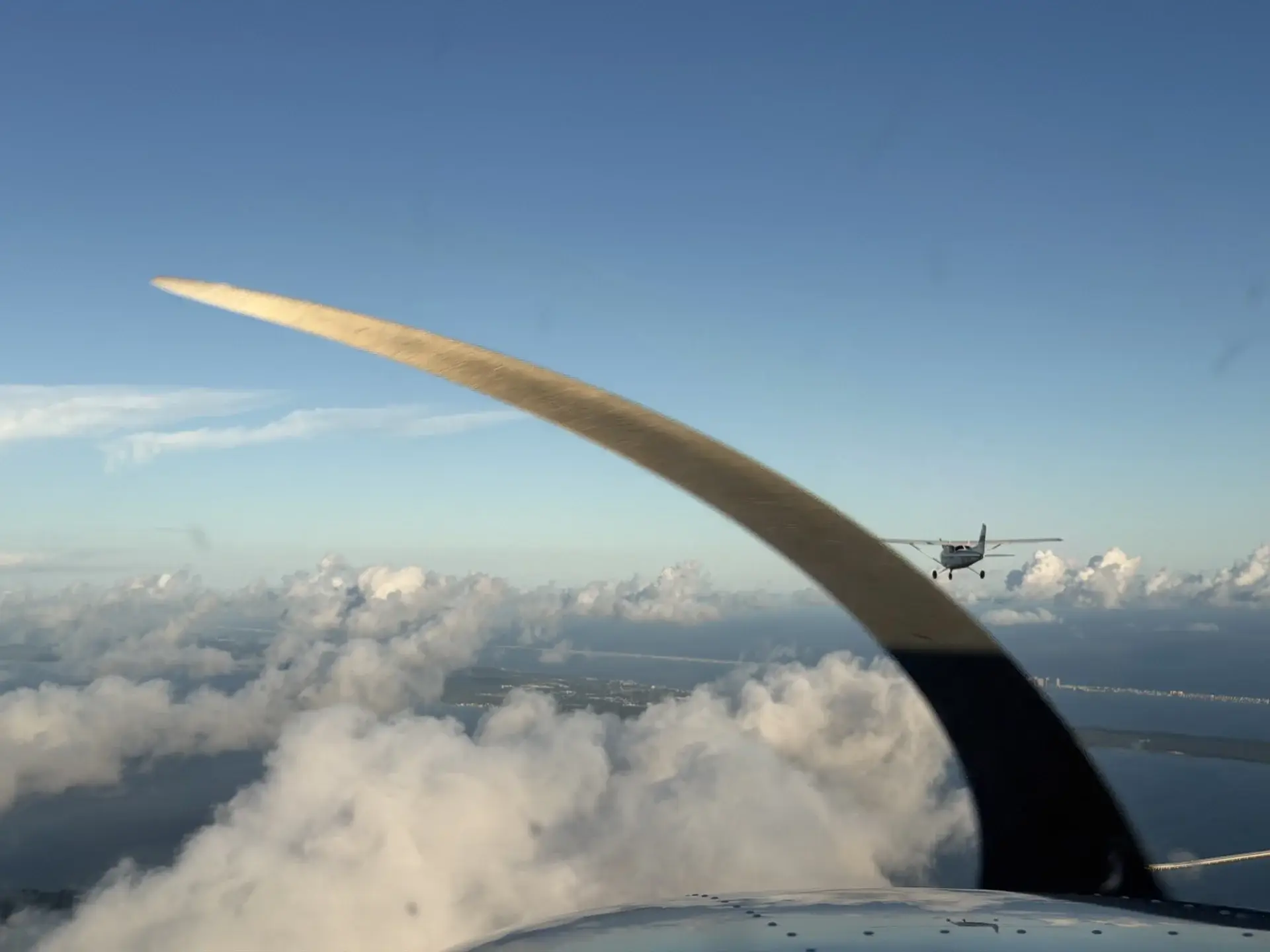
Work through attitude instrument flying, navigation, approaches and the IFR cross-country with your primary instructor, in the airplane and the simulator.
- Stage checks between phases
- Mock checkrides at the end
Pass the checkride
Endorsements, IACRA and the examiner
Get your practical test endorsements, complete the application, and fly the checkride with an examiner against the Instrument Rating Airplane ACS.
- Two instructor endorsements
- Knowledge test report within its window

You are instrument rated
An instrument rating on your private pilot certificate and the training to fly IFR safely in real weather.
Start Today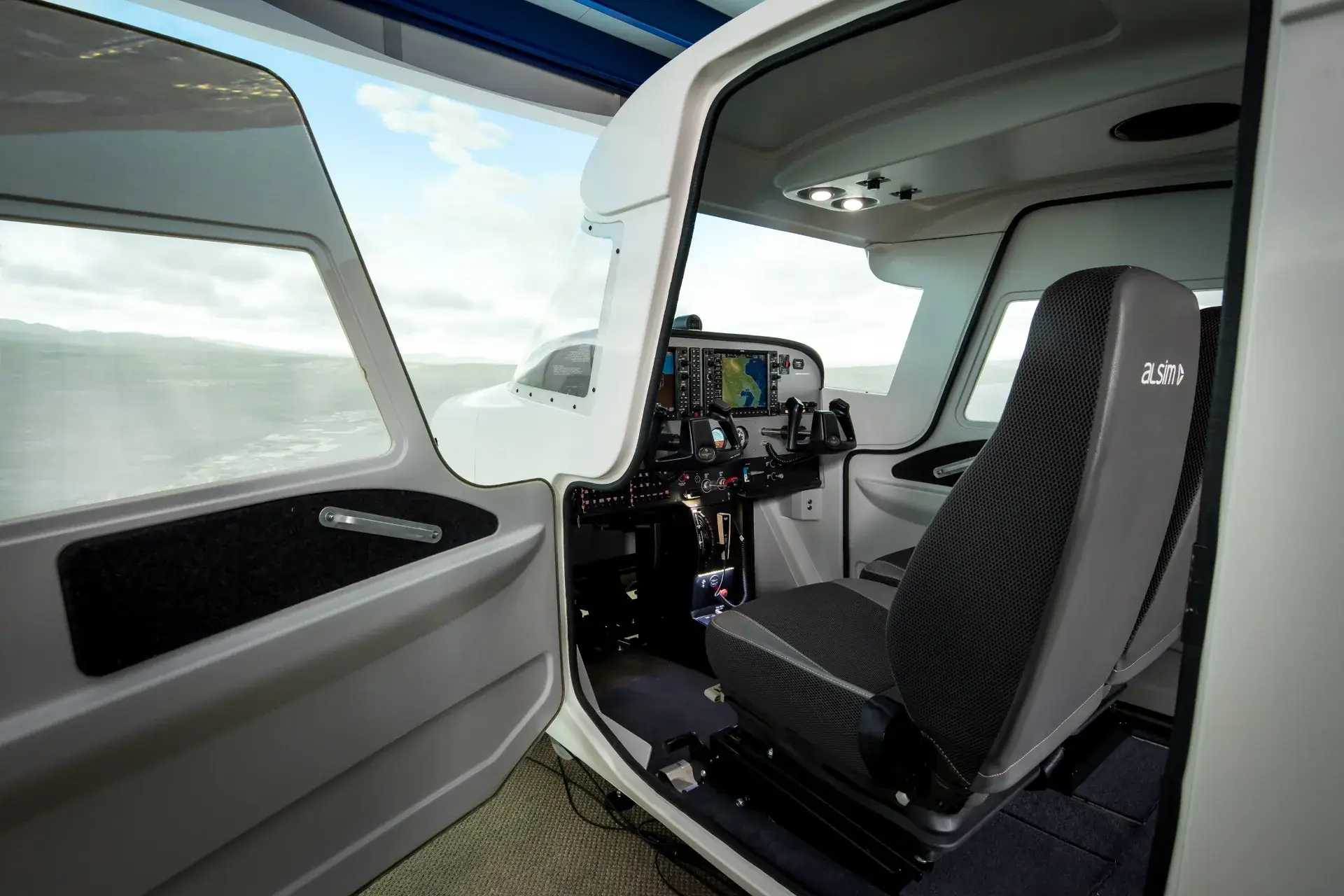
How training at KSRQ covers every requirement
The airport, the simulators and the testing are all on one campus
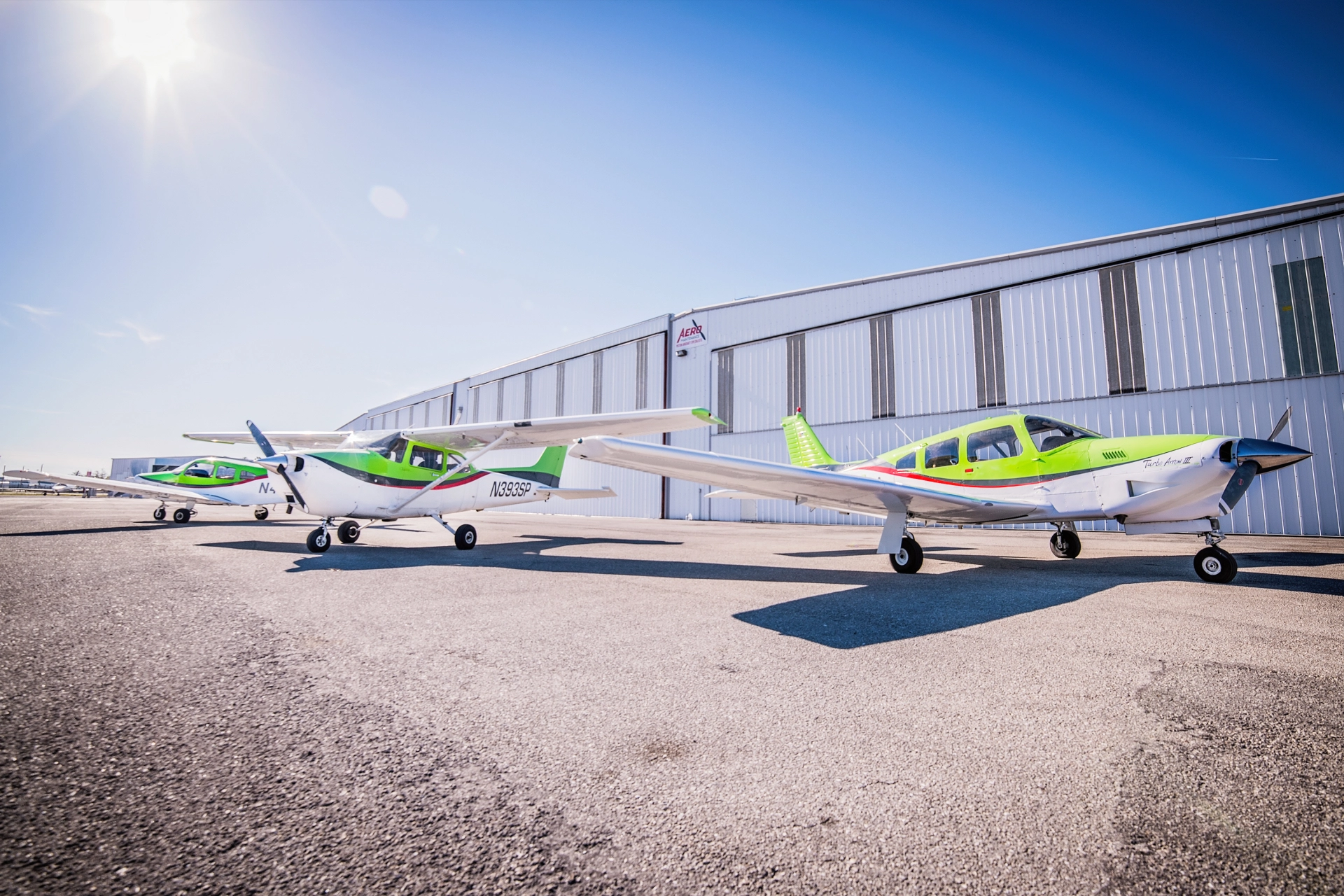
We train instrument students at KSRQ, a towered Class C airport next to Tampa's Class B, with multiple published instrument approaches. You copy real clearances and fly real approaches from your first IFR lessons.
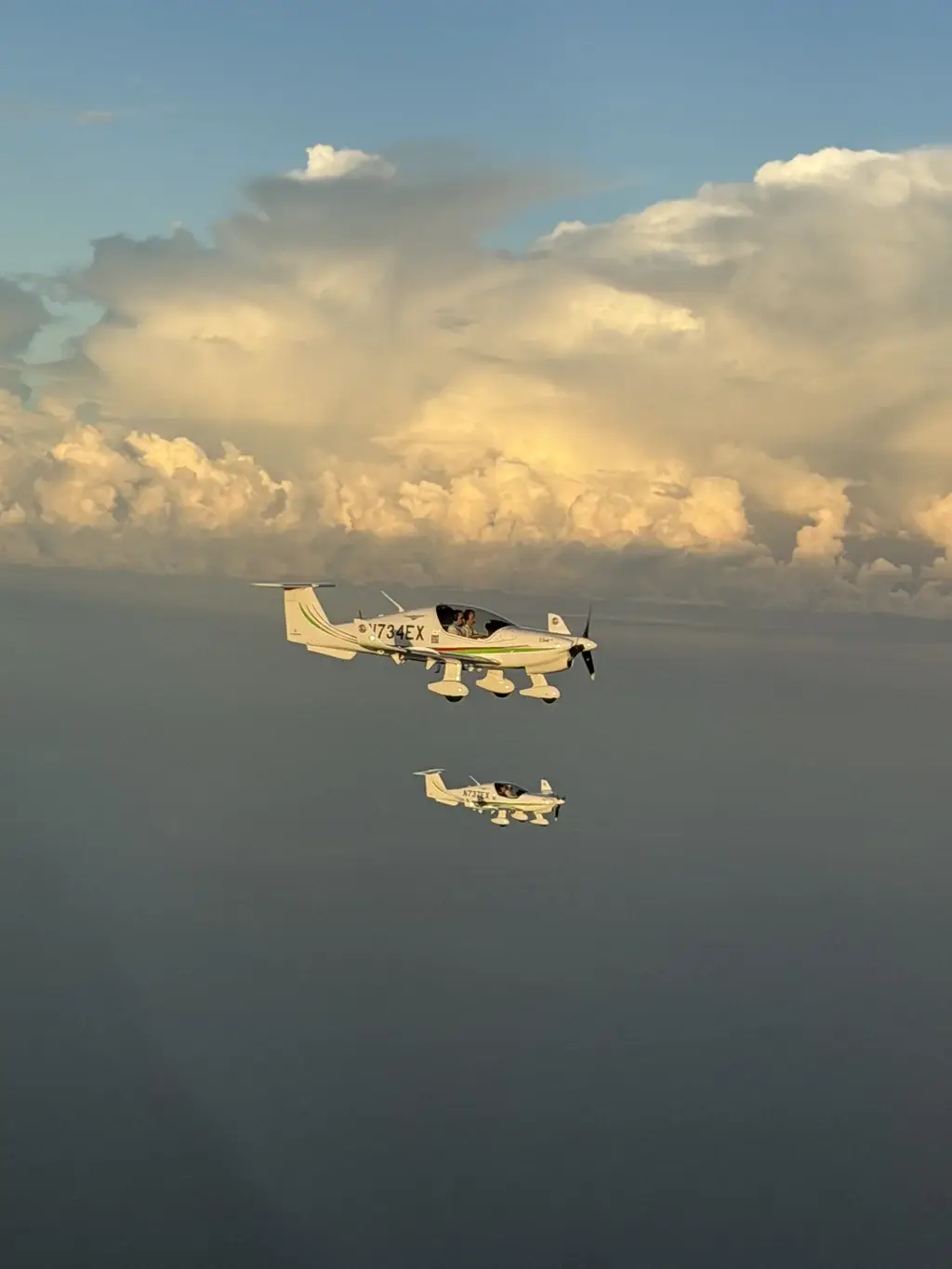
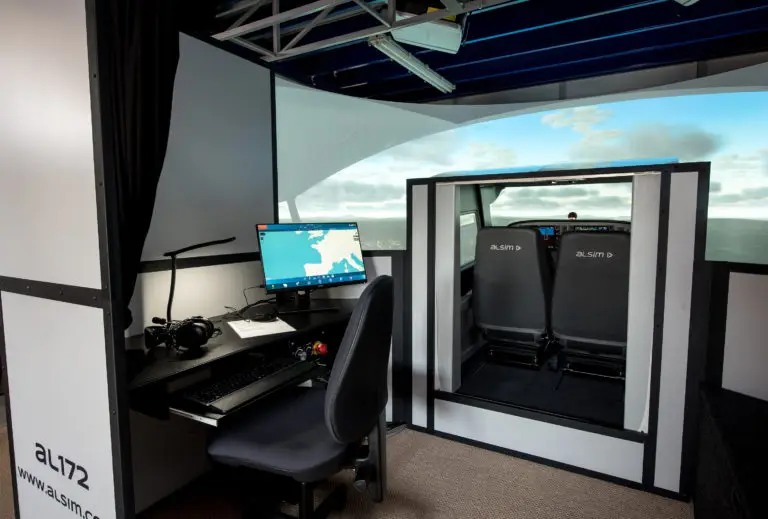
Our Alsim simulators let you rehearse holds, approaches and instrument failures before you fly them in our Cessna 172 Skyhawks. You fly primarily with one instructor, so nobody has to relearn where you stand.
The course runs in four phases that line up with the FAA's areas of operation, and you can take the knowledge test at our on-site testing center.
What you get at our KSRQ campus
- Part 61 and Part 141 instrument training
- Four phases: basic attitude instrument flying, navigation and systems, approaches, cross-country and checkride prep
- Final stage checks and mock checkrides before the practical test
- On-site PSI CATS knowledge testing with regularly scheduled sessions
- Flight training in Cessna 172 Skyhawk aircraft and Alsim simulators
Where pilots lose time and money on IFR requirements
Most delays come from small rules found too late
The requirements are exact, so small misses cost real weeks. A flight that lands 45 nautical miles away does not count as instrument-rating cross-country time. Solo sim practice without an instructor does not count toward the 40 instrument hours. A long break before the checkride can leave you short of the required recent training. Watch for these gaps:
- Too little cross-country time as pilot in command (PIC) for the Part 61 path
- A knowledge test that expires before the checkride
- No airplane instrument training in the 2 calendar months before the practical test
- A Part 141 graduation certificate that passes its 60-day window
- Simulator hours logged without an instructor's signature
Each one is avoidable with a logbook audit on day one and a plan that tracks every requirement. Our IFR checkride guide covers the endorsements and documents for test day. Our program runs from 2 to 4 months; individual performance varies with diligence, flying full-time or part-time, aptitude and weather, and our IFR rating timeline walks through each phase. Once you are rated, our IFR flight requirements FAQ covers currency, flight plans and equipment.
Frequently Asked Questions
Clear any doubts you might have
What are the requirements for an IFR rating?
You need a private pilot certificate, English proficiency, ground training, a passed knowledge test, the aeronautical experience in 14 CFR 61.65(d) (or a Part 141 course under Appendix C), two instructor endorsements and a passed practical test. Our pre-enrollment checklist lists what to have ready before you start.
How many hours do I need for an IFR rating?
Under Part 61, you need 50 hours of PIC cross-country (10 in airplanes) and 40 hours of actual or simulated instrument time, 15 of them with a CFII. A Part 141 course requires at least 35 hours of instrument training. Your own total can land above these minimums. Our IFR hours breakdown shows each line.
Can simulator time count toward my instrument rating?
Yes, within FAA limits. Under Part 61, up to 20 of the 40 instrument hours can come from approved training devices. Under Part 141, approved AATD or FTD time is capped at 40 percent of the course hours. Device time counts only when an instructor is present and signs your logbook. We plan how your sim sessions fit inside those limits.
Is Part 141 or Part 61 better for the instrument rating?
Neither is better for everyone. Part 141 follows an FAA-approved syllabus with stage checks and at least 35 hours of instrument training. Part 61 uses the 61.65(d) hour lines and offers more scheduling flexibility. We offer both and can help you pick based on your logbook.
How long does an instrument rating take at Cirrus Aviation?
Our program runs from 2 to 4 months. Individual performance varies with diligence, flying full-time or part-time, aptitude and weather. Our IFR rating timeline shows how to plan your calendar.
Can I take the instrument checkride in a simulator?
Plan on flying your checkride in the airplane. Under the instrument ACS, aviation training devices cannot be used for the practical test. Our IFR checkride guide covers what the examiner checks.
Got Any More Questions?
Map your instrument rating requirements with our team
Bring your logbook and we'll check it against every IFR rating requirement, recommend Part 61 or Part 141, and build a plan around your schedule at KSRQ.
Questions about cost or financing? Our admissions team can walk you through Sallie Mae loans and current numbers for your plan. Call us at (941) 360-9074 or send a message.