
Part 61 vs Part 141 Instrument Rating in 2026: Which Fits You?
Both paths lead to the same instrument rating. They count your hours differently, so your logbook, your schedule and your funding decide which one fits.
Why the instrument rating has two paths
One rating, two sets of rules for qualifying
Whichever path you take, you earn the same instrument rating and fly your checkride (the practical test) to the same FAA standards. Part 61 and Part 141 change how you qualify for that checkride. Part 61 sets aeronautical experience minimums you log at your own pace with an authorized instructor. Part 141 runs you through an FAA-approved course with a fixed syllabus, stage checks and its own hour minimums.
For a private pilot, the biggest difference is cross-country time as pilot in command (PIC). Part 61 asks for 50 hours of it. The Part 141 course has no separate PIC cross-country line. Simulator credit, who has to sit next to you, and the rules for time you already logged also change between the two.
We train instrument students under both parts at Sarasota-Bradenton International Airport (KSRQ), so we have no reason to push you toward one. If you want the general Part 61 vs Part 141 overview for any certificate, read our Part 61 vs Part 141 guide. This page stays on the instrument rating. For every requirement in one place, see our complete guide to IFR rating requirements.
Part 61 vs Part 141 instrument rating, side by side
Each row is a difference that shows up in your logbook or your budget. Every hour figure is an FAA minimum for the instrument-airplane rating, current for 2026. For the line-by-line hour breakdown, see how many hours for an IFR rating.
| What you are comparing | Part 61 | Part 141 |
|---|---|---|
| Cross-country time as pilot in command | 50 hours, 10 of them in airplanes | No separate PIC cross-country minimum in the course |
| Instrument time minimum | 40 hours of actual or simulated instrument time | 35 hours of instrument training in the approved course |
| Time with an instrument instructor (CFII) | At least 15 of the 40 hours | The 35 course hours are training with your instructors |
| Hood time with a qualified safety pilot | Can count toward the 40 hours | Good practice, but the course hours are training with an instructor |
| Ground training | From an authorized instructor or a home-study course, no set number of hours | At least 30 hours in the approved course |
| Simulator (ATD) credit | Up to 10 hours in a basic ATD or 20 in an advanced ATD, 20 hours total in devices | Up to 40% of course hours in an advanced ATD or flight training device (14 of 35) |
| Long IFR cross-country | 250 nm, an approach at each airport, three kinds of approaches | The same, plus one leg of at least 100 nm straight line |
| Stage checks | Not required by the FAA | Stage checks and end-of-course tests are required |
| Timing rule before the checkride | 3 hours of instrument training in an airplane within 2 calendar months | Checkride within 60 days after graduation |
| Instrument time you already logged | Every qualifying logged hour counts | Credit is capped at 25% of course flight training (50% if it came from another Part 141 or 142 course) |
| GI Bill benefits at our school | No | Yes |
| Offered at Cirrus Aviation at KSRQ | Yes | Yes |
| What you are comparing | Part 61 |
|---|---|
| Cross-country time as pilot in command | 50 hours, 10 of them in airplanes |
| Instrument time minimum | 40 hours of actual or simulated instrument time |
| Time with an instrument instructor (CFII) | At least 15 of the 40 hours |
| Hood time with a qualified safety pilot | Can count toward the 40 hours |
| Ground training | From an authorized instructor or a home-study course, no set number of hours |
| Simulator (ATD) credit | Up to 10 hours in a basic ATD or 20 in an advanced ATD, 20 hours total in devices |
| Long IFR cross-country | 250 nm, an approach at each airport, three kinds of approaches |
| Stage checks | Not required by the FAA |
| Timing rule before the checkride | 3 hours of instrument training in an airplane within 2 calendar months |
| Instrument time you already logged | Every qualifying logged hour counts |
| GI Bill benefits at our school | No |
| Offered at Cirrus Aviation at KSRQ | Yes |
| What you are comparing | Part 141 |
|---|---|
| Cross-country time as pilot in command | No separate PIC cross-country minimum in the course |
| Instrument time minimum | 35 hours of instrument training in the approved course |
| Time with an instrument instructor (CFII) | The 35 course hours are training with your instructors |
| Hood time with a qualified safety pilot | Good practice, but the course hours are training with an instructor |
| Ground training | At least 30 hours in the approved course |
| Simulator (ATD) credit | Up to 40% of course hours in an advanced ATD or flight training device (14 of 35) |
| Long IFR cross-country | The same, plus one leg of at least 100 nm straight line |
| Stage checks | Stage checks and end-of-course tests are required |
| Timing rule before the checkride | Checkride within 60 days after graduation |
| Instrument time you already logged | Credit is capped at 25% of course flight training (50% if it came from another Part 141 or 142 course) |
| GI Bill benefits at our school | Yes |
| Offered at Cirrus Aviation at KSRQ | Yes |
Hour figures are FAA minimums from 14 CFR 61.65 and Part 141 Appendix C. Your actual hours depend on your proficiency, how often you fly and the weather. GI Bill benefits apply to our Part 141 course, subject to VA rules and individual eligibility.
Which instrument rating path fits you
Match the path to your logbook, your schedule and your funding
Start with your logbook. Add up your PIC cross-country hours and any instrument time an instructor signed. Those two numbers usually point to the right path.
- Choose Part 61 if you already have most of your 50 hours of PIC cross-country time logged.
- Choose Part 61 if you have hood time with an instructor or a safety pilot you want to count in full.
- Choose Part 61 if your work schedule changes week to week and you need lessons to fit around it.
- Choose Part 141 if you are a new private pilot with little cross-country time beyond your training.
- Choose Part 141 if you want a set syllabus with stage checks that tell you where you stand.
- Choose Part 141 if you plan to use GI Bill benefits for your training with us.
- Choose Part 141 if you are on a career track and want each rating to follow a structured course.
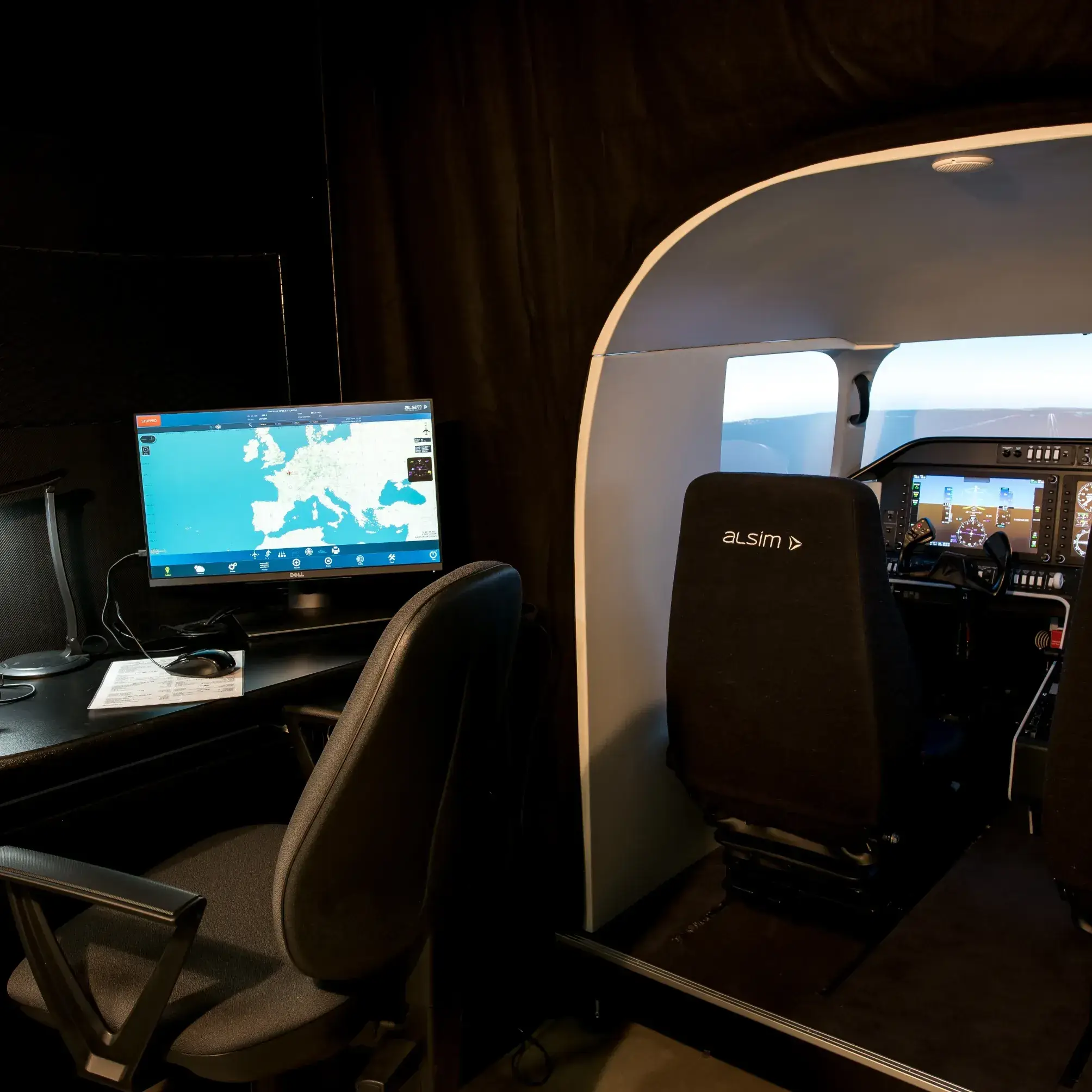
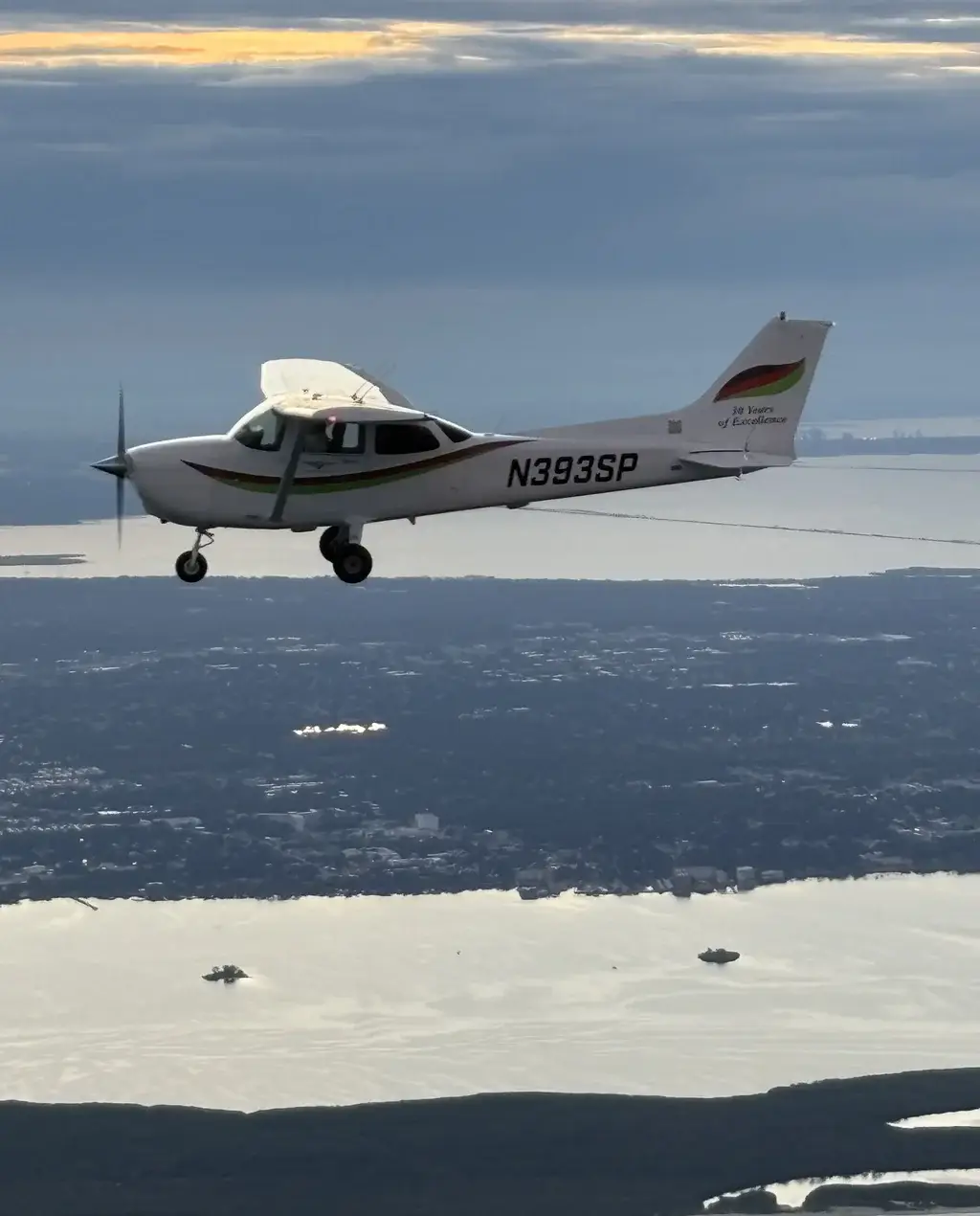
Either way, you fly with one primary instructor in our Cessna 172 Skyhawks and Alsim simulators, through the same four phases: basic attitude instrument flying, navigation and systems, approaches, and cross-country and checkride prep. Our instrument program runs from 2 to 4 months, and individual performance varies with diligence, full-time or part-time flying, aptitude and weather. Our instrument rating program page shows how the course runs at KSRQ.
Do the logbook math before you pick a path
Three numbers that decide most instrument students' path
Say you earned your private pilot certificate last year with about 25 hours of PIC cross-country time. Under Part 61, you still need 25 more hours before the checkride, and only flights that land more than 50 nautical miles from where you took off count. In a Part 141 course, that gap does not hold you back, because the course has no separate PIC cross-country line.
Now say you have 20 hours of hood time from flights with a safety pilot. Under Part 61, those hours count toward the 40. Under Part 141, instrument training from outside a Part 141 course can earn credit for at most 25% of the course flight training, and only after our own proficiency and knowledge checks.
Bring these three numbers to your first meeting with us, and we will map both paths against them before you commit.
What to total before you call us
- PIC cross-country hours, with how many were in airplanes
- Instrument hours signed by an instructor, in the airplane and in a simulator
- Hood hours flown with a safety pilot
Frequently Asked Questions
Clear any doubts you might have
Can I switch from Part 61 to Part 141 partway through my instrument training?
Does simulator time count the same way under both parts?
Can I use the GI Bill for a Part 61 instrument rating?
Is Part 141 the faster way to an instrument rating?
Got Any More Questions?
Get a side-by-side plan for your instrument rating
Bring your logbook to KSRQ and we will lay out both paths against your own hours, including what your PIC cross-country time and hood time are worth under each. We will also walk you through paying for it: we are an approved training provider for Sallie Mae aviation loans, our Part 141 programs are GI Bill approved, and our pilot financing page covers your options. International students can start with our international students page.